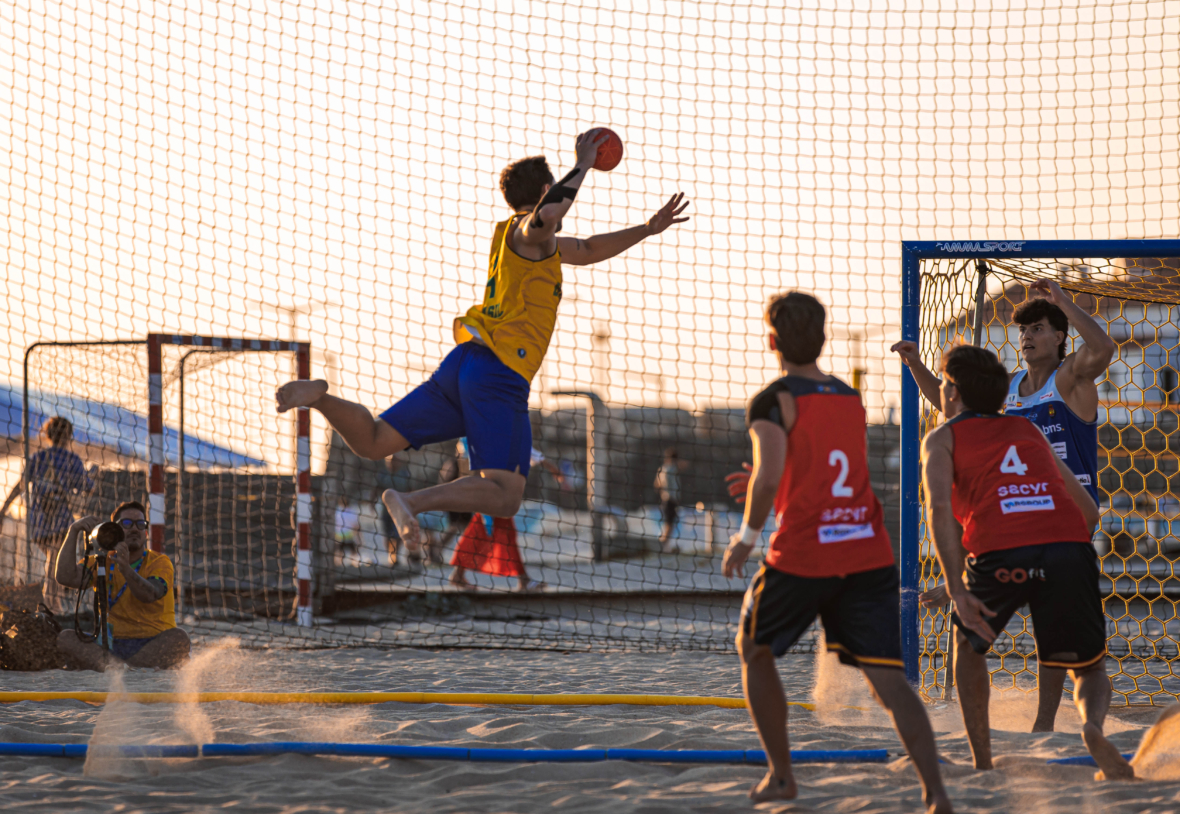

FISU Secretary General and CEO Matthias Remund and Deputy Secretary General Fernando Parente travelled to evaluate Portugal’s potential candidature to host the 2033 Universiade, with Coimbra proposed as host city and the wider region involved in the project.
The visit came at a particularly relevant moment for the city, which is undergoing a large-scale cycle of urban development. Among the structural projects underway or planned are the construction of the high-speed rail line, the densification and extension of the Metrobus mobility system, the creation of new residential areas, the expansion of accommodation and university residences, the reorganisation of the Faculty of Sport Sciences and Physical Education, and the construction of a new multi-purpose arena with 7,000 seats.
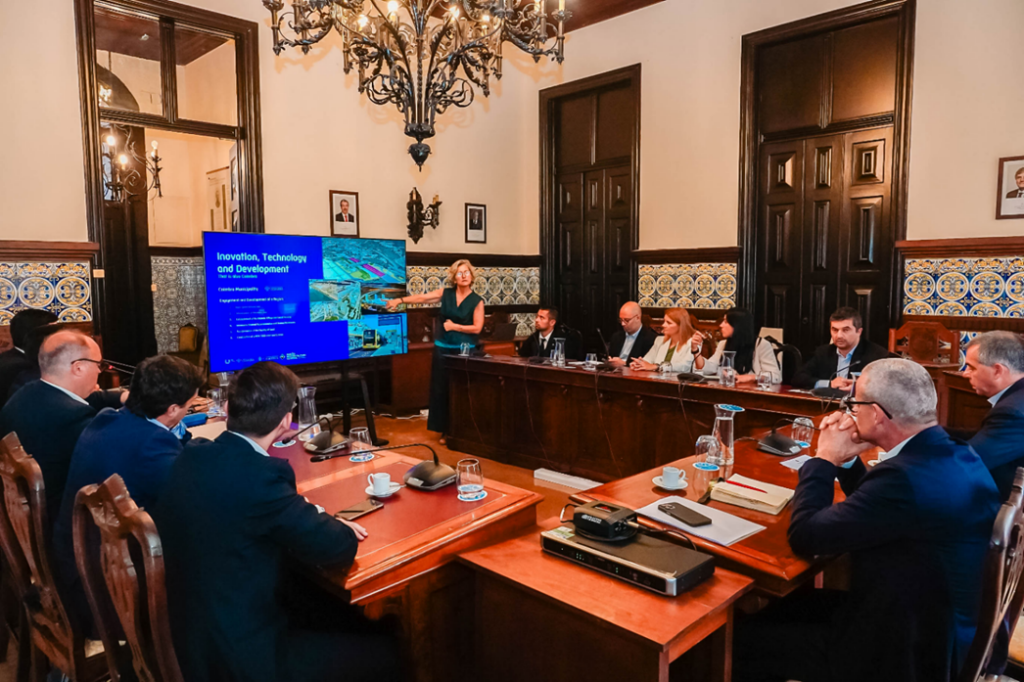
It is this context of transformation that underpins the ambition behind the candidature. “The Universiade is not an end in itself, but rather the natural moment to celebrate and give international visibility to a transformation the city is already living,” said the Mayor of Coimbra, Ana Abrunhosa.
The FISU delegation was also accompanied by the Secretary of State for Sport and Youth of Portugal, Pedro Dias, the Chief of Staff to the Secretary of State, Duarte Lopes, and the President of Portuguese the Academic Federation of University Sport (FADU), Diogo Braz.
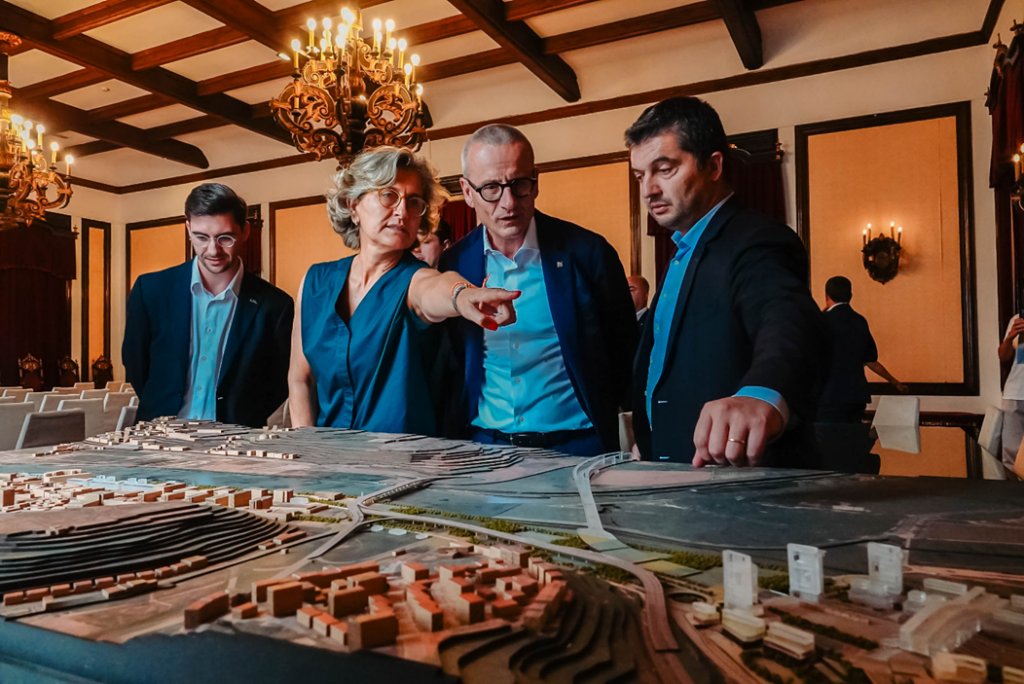
The programme opened with a reception at the Coimbra City Hall, hosted by Mayor Ana Abrunhosa and the Councillor for Sport, Ricardo Lino, followed by a presentation of the candidature’s general concept. The delegation then moved to the Rectory of the University of Coimbra, where it was received by the Rector, Amílcar Falcão, and the Pro-Rector for Sport, Filipa Godinho. The delegation also met with the President of the Coimbra Students Union (Academica), José Machado.
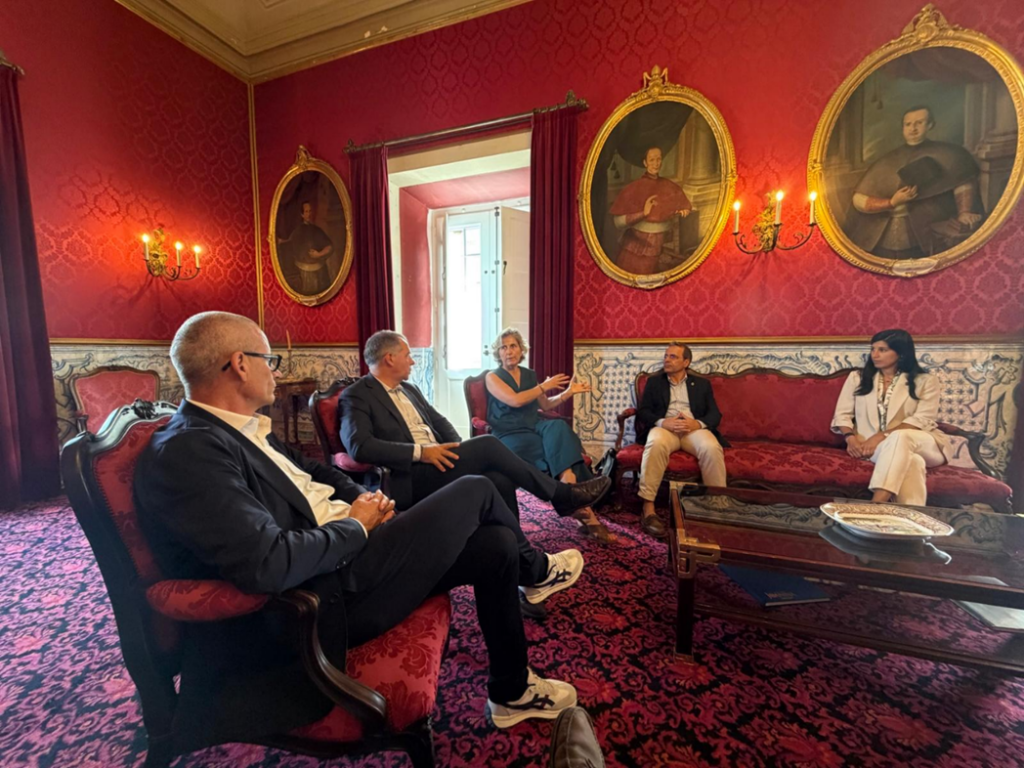
These meetings reflected clear alignment with the project from these institutions, which play a central role in the candidature both through their history and their sporting structure. Given the scale of impact such an event carries, other regional bodies will naturally be involved, including the Coimbra Region Intermunicipal Community.
Energy, sporting tradition, and organisational capacity
The afternoon was dedicated to a technical visit to sports facilities. The delegation toured the Municipal Stadium, the Mário Mexia Multi-Sport Municipal Pavilion, and the Municipal Olympic Swimming Pool Complex, closing the programme with a visit to the University Stadium.
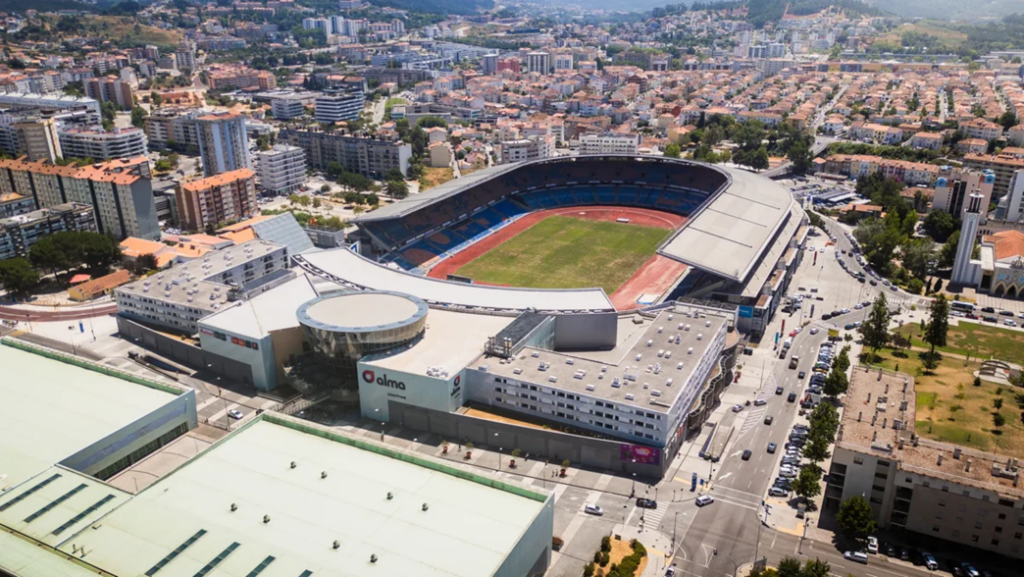
Coimbra and its region aim to once again demonstrate the energy, sporting tradition, and organisational capacity already shown in the past, now at the highest level, bringing together sport and higher education in the largest university event in the world. Coimbra is a city with over 2,000 years of history, home to one of the oldest universities in the world, founded in 1290 and among the oldest in the World.
Following the meetings and site visits, Matthias Remund, FISU Secretary General and CEO, stated: “By hosting the Universiade, FISU could provide a further boost to the impressive development of the significant university city and region of Coimbra, and would be fortunate to hold the Games there.”
Visit to FADU headquarters and the University of Aveiro
The two days programme also included a visit to the FADU headquarters, the Student Athlete House, home to a high-quality museum that presents the history and achievements of Portuguese university sport and its student athletes in a clear and engaging way. Portugal has already hosted more than 30 EUSA events and 18 FISU events, in addition to the already awarded 2028 World University Championships in Padel, in Coimbra, and Handball, in Aveiro.
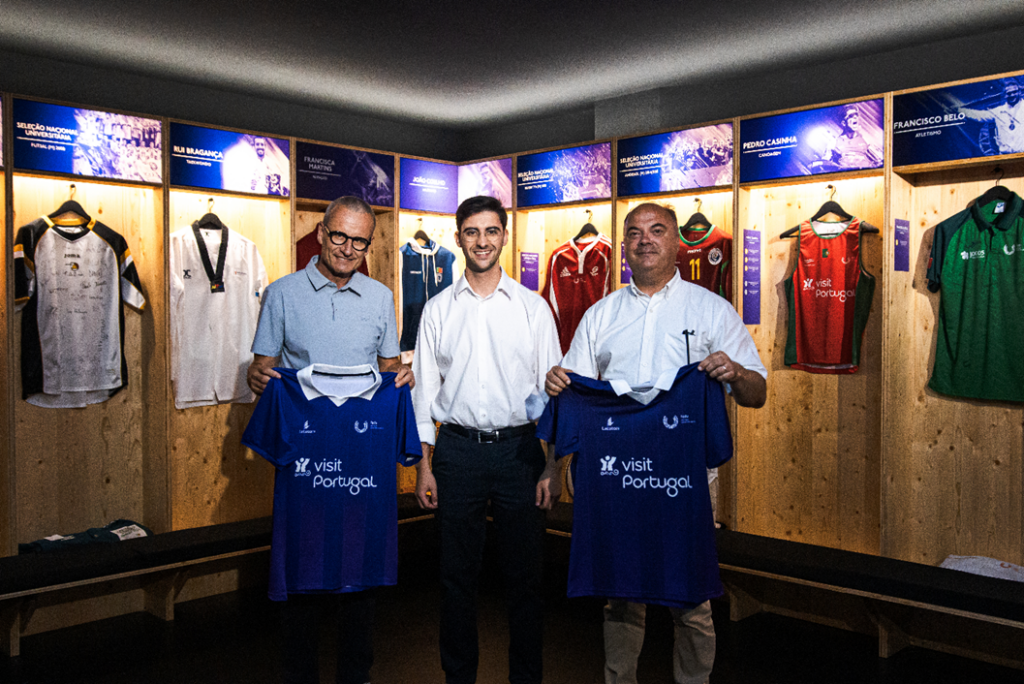
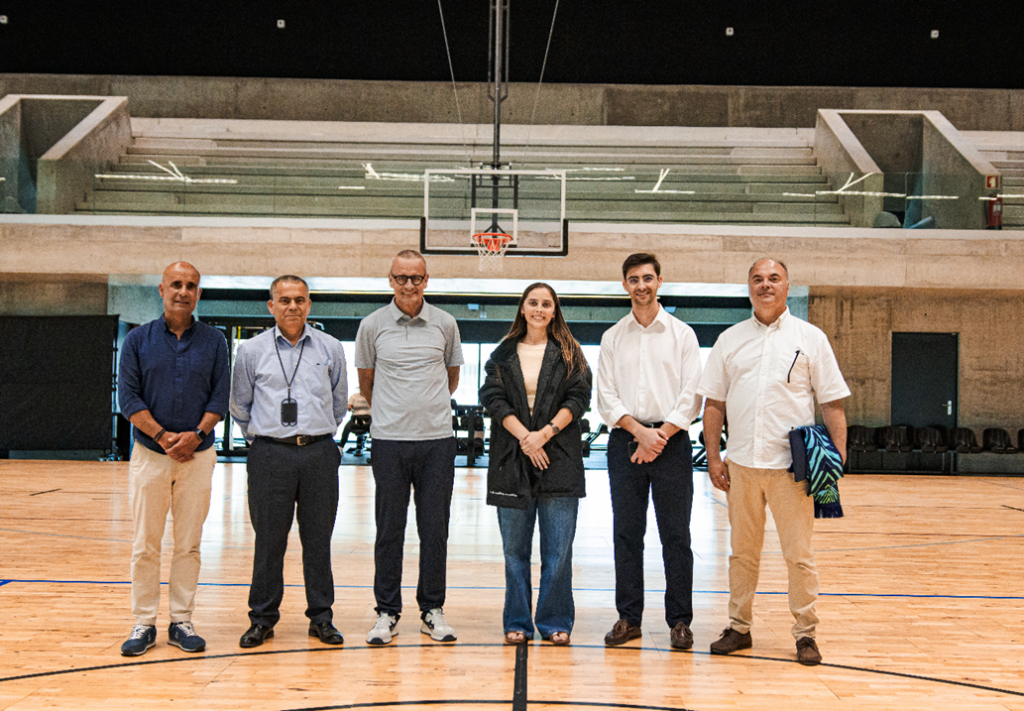
The delegation also visited the University of Aveiro, where it was received by the Rector, Artur Soares da Silva, Tiago Lourenço, Sports Manager, André Reis, member of the Rector’s staff, and by the President of the Academic Association of the University of Aveiro, Joana Regadas. The delegation toured the campus facilities that will host the 2028 World University Championship in Handball.
Related News
Italy conquers the Croatian seas
Meet the teams about to compete on the Croatian waters
The sun has set on a fantastic edition of the FISU Beach Sports Championships