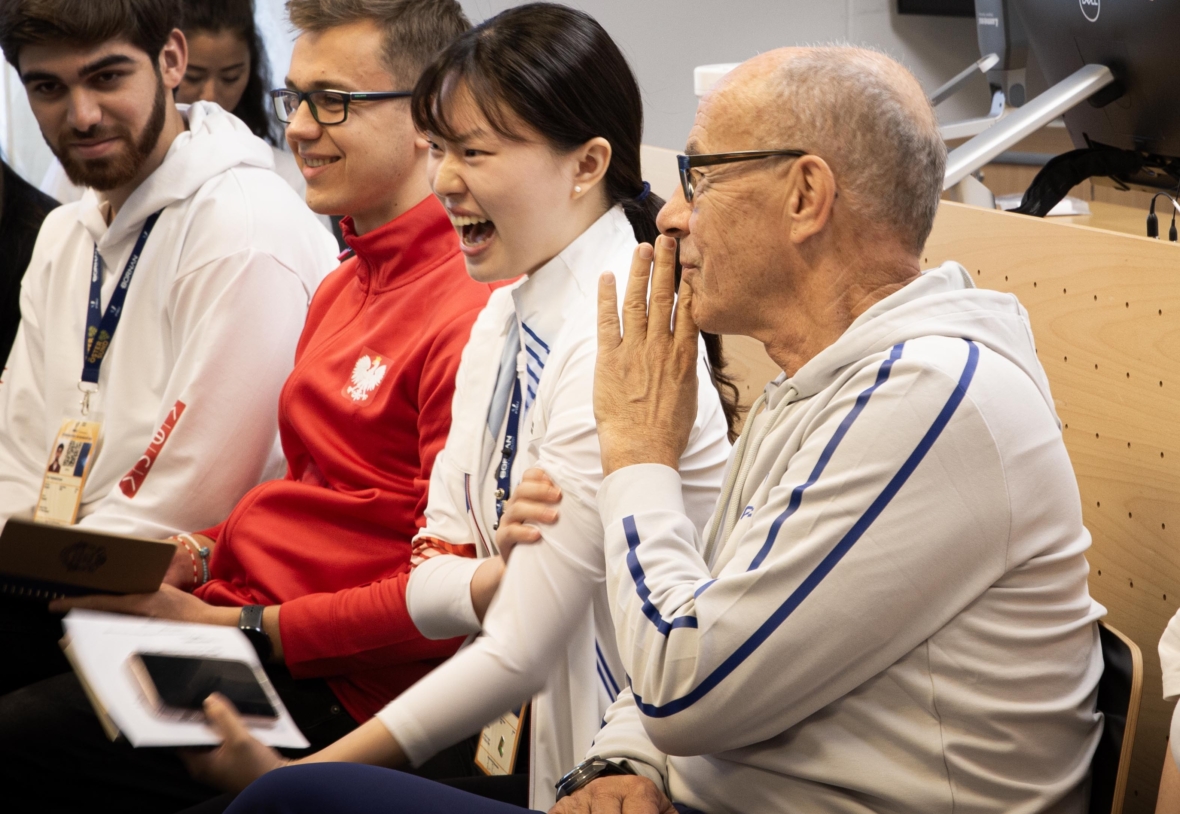

Student-athlete pathways were the main focus of the second day of the Östersund 2026 FISU World Forum. Top specialists and researchers from Spain and Sweden gave keynotes before joining a really inspirational panel in the afternoon.
Dual Career was first mentioned during the official press conference on the first day of the Forum, by two Mid Sweden University representatives who shared their experience.
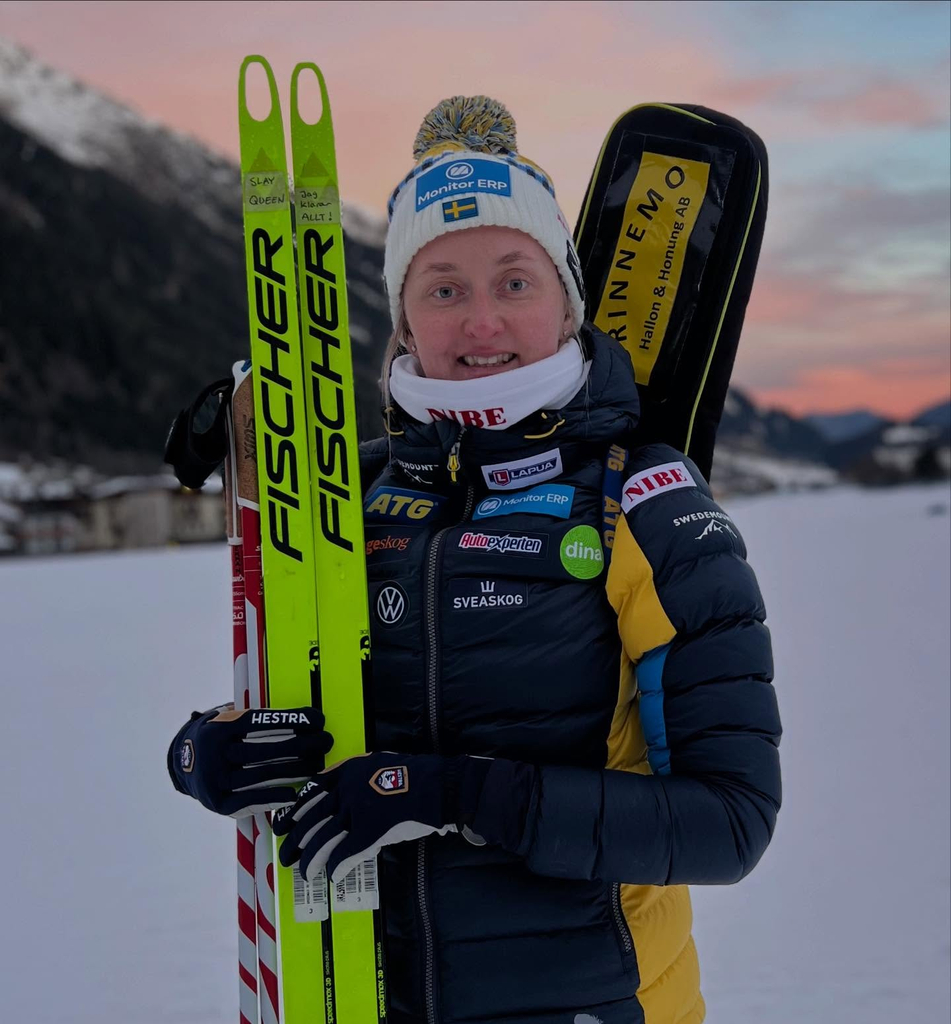
First Emma Nilsson, an accomplished biathlon student-athlete who is also doing her degree in Economics in Östersund.
“Yes, I could say that economics is my third discipline with skiing and shooting! Yes, time management is tricky when you are a Dual Career student, but I must say it is sometimes also nice to have something else to concentrate on than my sport, especially after a race that didn’t go so well. Being both a student and an athlete is the right balance for me!”
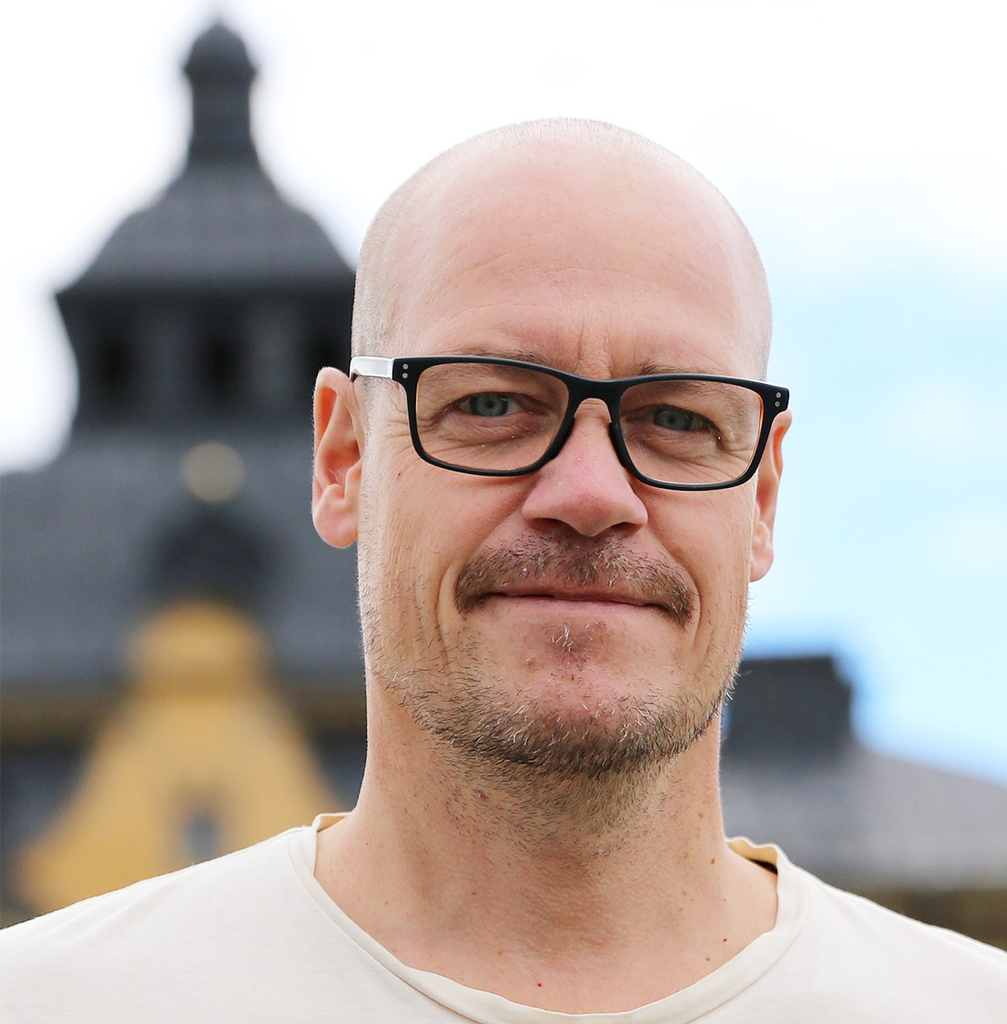
Marko Laaksonen is a Professor in Sports Science at Mid Sweden University after coaching the Swedish women’s national biathlon team and later the Finnish national team. He therefore has worn both the caps of the coach and the professor in a Dual Career environment.
“As a coach I always wanted my athletes to give their all in training and of course the professor wants their students to be 100% there during their studies . These expectations put way too much pressure on the student-athlete. In such situations, collaboration and communication between all three parts are key to success.”
The second day of the Forum was mostly focused on Dual Career after starting started with different groups attending parallel sessions – student projects, Healthy Campus audit trainings and Dual Career workshops – before everyone gathered into the main auditorium to hear the latest studies on the day’s topic.
Miquel Torregrossa-Álvarez, a Professor of Sport Psychology at the Universitat Autònoma de Barcelona and Director of the Sport Research Institute (IRE) opened the floor addressing the topic of “The Promotion of Mental Health in Dual Career Friendly Universities”.
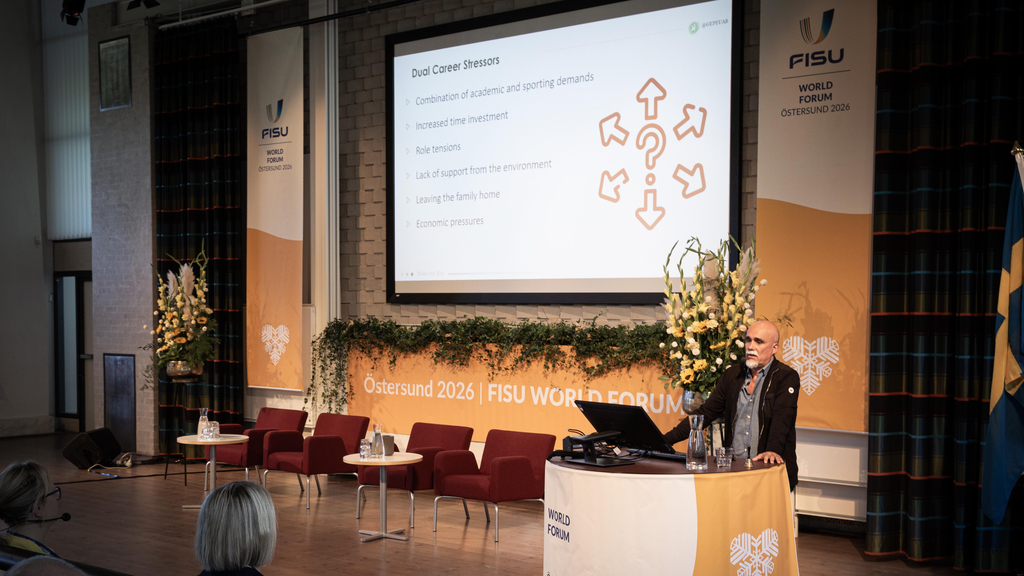
In his presentation, he insisted on the fact that a holistic approach – “a “whole person approach” – was essential and in order to thrive in their journey, student-athletes need a dedicated Dual Career support team around them.
Miquel Torregrossa also approached both coaches and professors as educators, who both need to share a same Dual Career philosophy rooted into the university. He explained how him and his team use both metaphors – the climbing of a mountain, or the matryoshka doll – and workshops to address mental health issues.
Dual Career, an increasingly popular research topic since 2007
Lukas Linnér, a senior lecturer at Halmstad University in Sweden and a researcher specialising in sport psychology and athlete development focused his presentation on the Swedish model, which many countries envy.
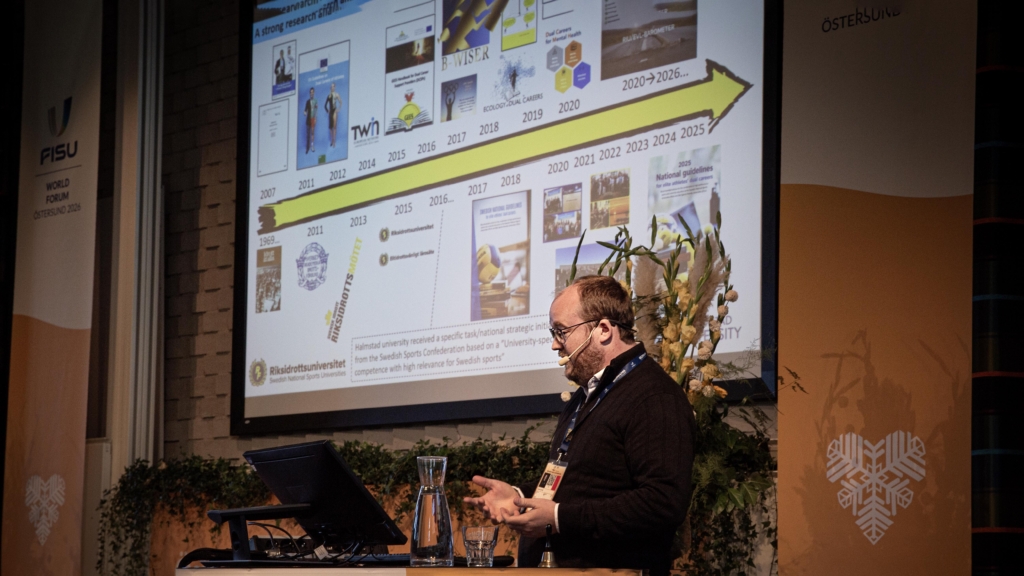
“I have my heart and brain in Dual Careers”, he started, jokingly sharing a picture of him as a young golfer. In my heart because I was dreaming of becoming a pro golfer and in my brain because I have now been working on Dual Career for 15 years!”.
Like his colleague, he insisted on the importance of the support team in charge of inter-organisational collaboration and on the fact that it is vital to embrace the shift from athlete to environment.
One other important point he made was to consider Dual Carrer beyond someone’s studies, once they graduate. He said it should be considered as a career-long support and to see both studies and sport as resources for personal development and therefore beneficial for society as a whole.
Key takeaways from the Dual Career Panel
Miquel Torregrossa and Lukas Linnér joined Laura Capranica (a Professor at the University of Roma Foro Italico and European Student as Athlete (EAS) President), Lara Chehayeb (a student-athlete from Lebanon and member of the FISU Education and Student Committees) and Kent Lindahl (Head of Dual Career Development at the Swedish Sports Federation) for an extremely dynamic panel talk in the afternoon.
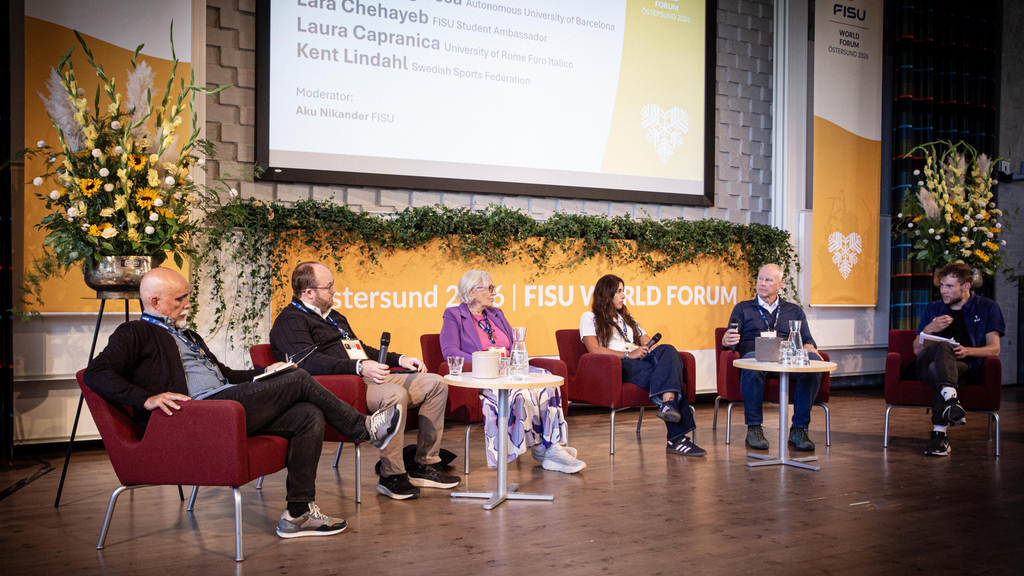
What is the most interesting question around Dual Career at the moment?
- Lukas: The paper I haven’t published yet! (laughs) We now need a really good research paper that shows Dual Career implementation.
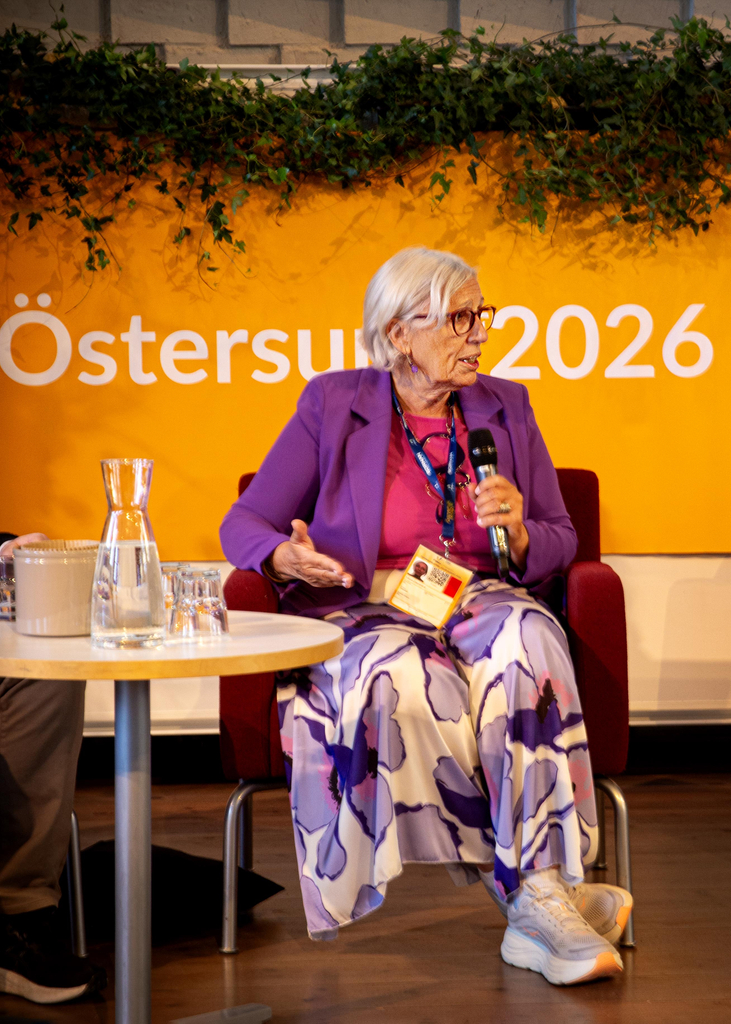
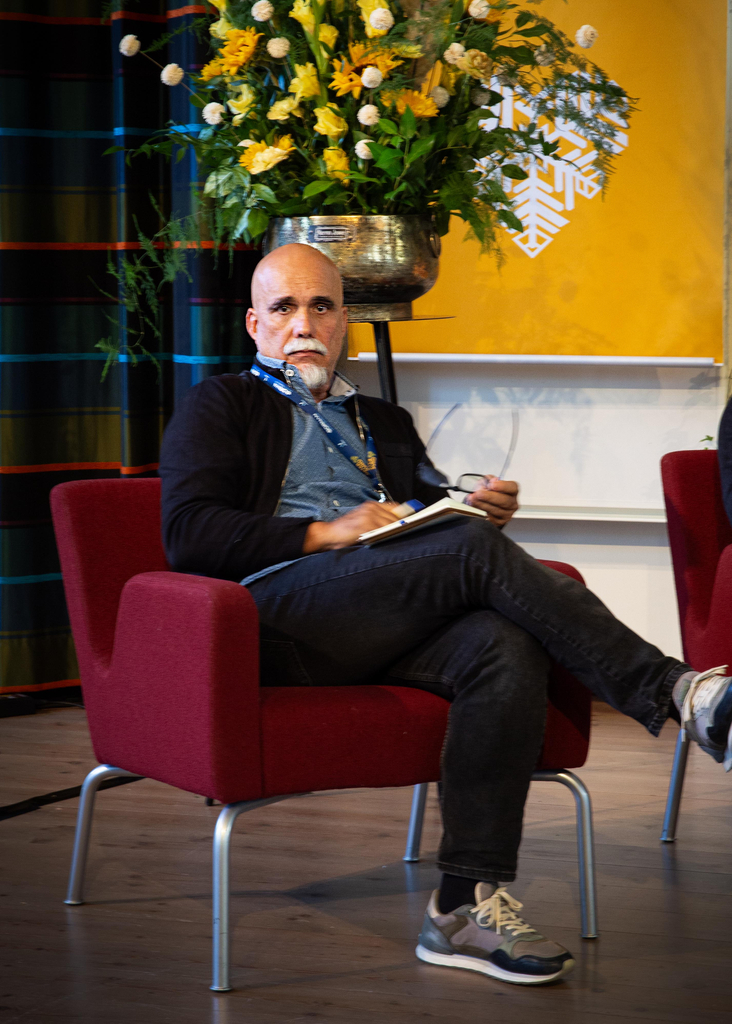
- Laura (photo): More than a question, it is an affirmation: Dual Career is a human right! Both the individual right to play and the individual right to education are in the list of UN human rights declaration. But I believe our responsibility continues once the person’s sports career is over. Talent is an asset for the whole society and we should cherish it.
- Lara: Now is time to speak openly about the tears and feras behind Dual Career. There are things you can’t assess specifically or put a number on.
- Kent: The current challenge is to integrate the Dual Career system as a backbone to the whole the sport system.
- Miquel: And we must never forget that we can’t use a single template. We need a tailor-made approach to each context and to each individual.
How can we transfer the knowledge but also “translate” it from one culture to another?
- Miquel: It is the responsibility of the authorities, but also of every single small organisation.
- Laura: We use the same words but often they mean something completely different depending on the country you are in! The key is a cooperative partnership. Having a common goal but heading towards it from different starting points.
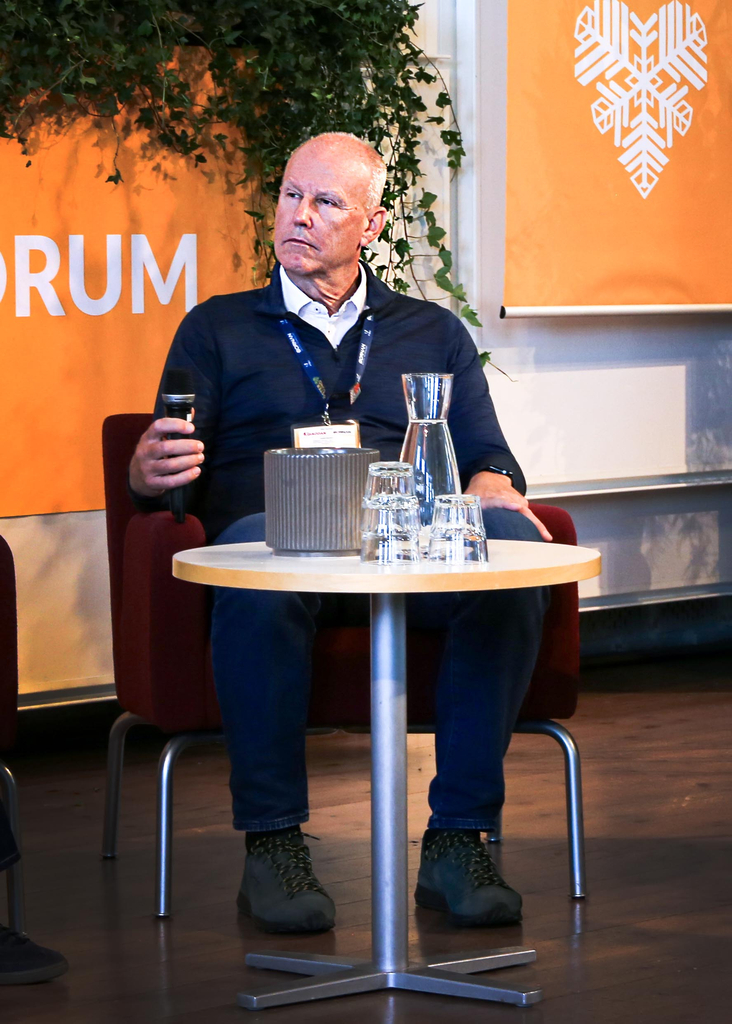
- Kent (photo): Some things don’t need to be translated. Everywhere in the world, the biggest challenge is what it takes to be right at the top of world elite sport; you need to eat, sleep and practice over and over again and that is not possible. Important to always bare in mind what you want to do with your life in the long run.
- Lukas: We have consider education as part of the plan A and not as the plan B. We need to also look as Dual Career as a resource. How does the athlete gain from being a student and vice versa?
- Lara: Everyone defines success differently. Getting into uni was a success. Competing at the FISU World University Games was a success. Learning how to be efficient is a success. It is about achieving the goals I have set for myself.
What could be the role of the instituons like Continental and National University Sports Federations (CUSFs and NUSFs) and FISU in supporting Dual Careers?
- Lara: There are huge disparities between countries. FISU provides a Dual Career toolkit, organises panels such as this one and the NUSFs should then take this together with universities to approach their governments. They are the ones who should invest in Dual Careers through policies.
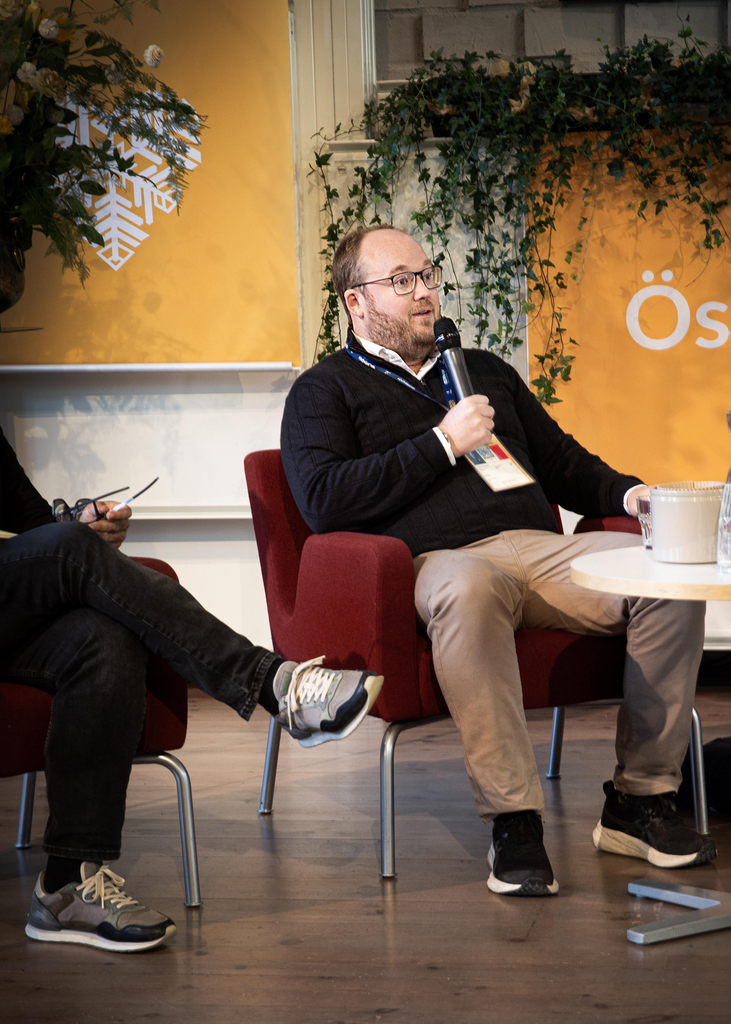
- Lukas (photo): We are acting FISU’s role right now. We are sharing, speaking to each other and learning from each other!
- Kent: Nelson Mandela said “sport had the power to change society”. I believe Dual Career has the power to change elite sport!
Could you share some Dual Career challenges linked to your specific context?
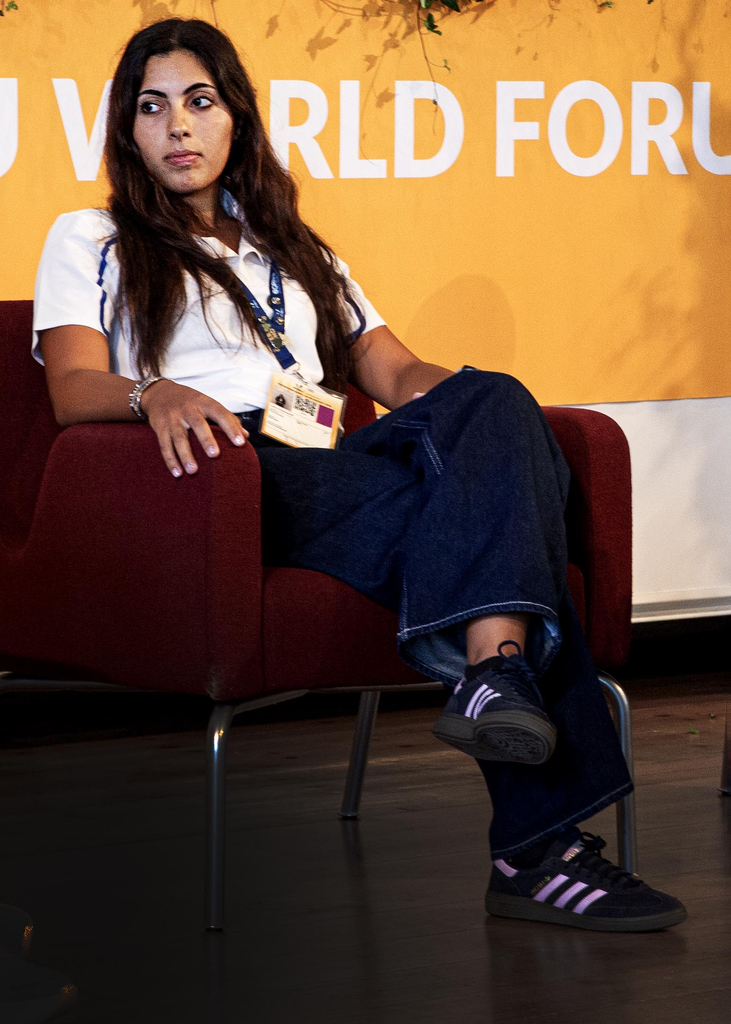
Lara: My context is pretty specific, but there are a lot of countries like mine that are struggling at the moment. Due to the political instability around Lebanon, it is hard to focus on my studies and my sport. At the same time I am aso taking care of my family and trying to also do my bit to help the situation. Staying in the zone has been hard. But my sport is my safe space, it is where I feel empowered.
And finally how do you define who is an “athlete”?
Miquel: In most countries there are several lists in countries with different criteria. If you are on the list: you are an athlete. All over the planet there are many people who run marathons or practice triathlon for their own pleasure. Of course they could embark on Dual Careers but who would pay to support this? In today’s world governments only help elite sport.
The third day of the Östersund 2026 FISU World Forum will be dedicated to student projects, workshops, sports and cultural activities.
Related News
The students take the stage and the future into their hands
“AI is not a tool students pick up, it’s the water they swim in”
“You are our inspiration”