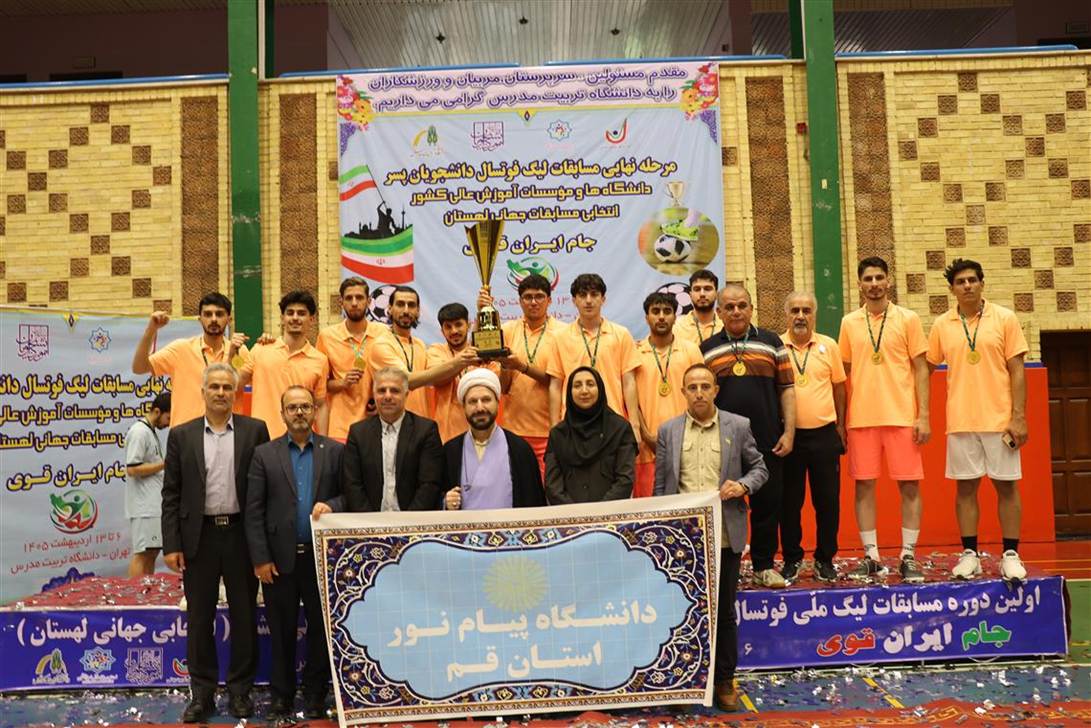
Payame Noor University of Qom etched its name in the history of Iranian university sports by claiming the championship title in the first National Student Futsal League and qualifying for the FISU World Championship in Warsaw.
Two rewards with one final victory! In a thrilling last match, Payame Noor University of Qom defeated Shahid Beheshti University 3-1 , securing not only the national crown but also qualification for the upcoming Warsaw 2026 FISU World University Championship Futsal in Poland from 1-7 July.
A first for the whole country
Held at the beginning of May at Tarbiat Modares University, the final stage brought together top teams from across Iran, including representatives from the University of Tehran, Isfahan University, Zabol University, and others. This landmark victory for Payame Noor University marks a defining moment for university-level futsal in Iran, as the competition—held for the first time—brought together the best student-athletes from across the country in a structured, multi-tiered league system.
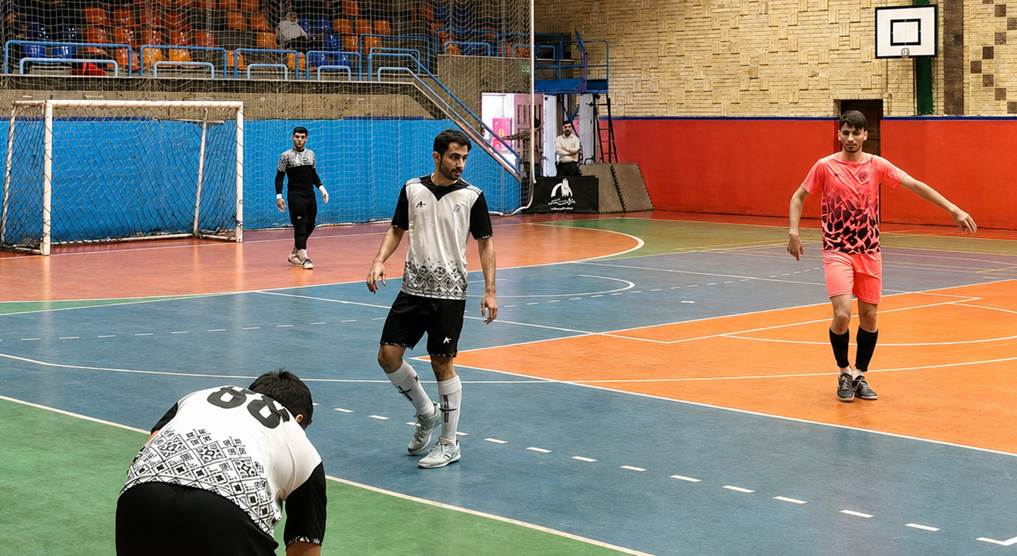
At the heart of this success story stands Amirhamzeh Sediqzadeh, one of the standout players of the championship-winning team. A native of Mashhad and a physical education student at Payame Noor University of Qom, Sediqzadeh embodies the fusion of academic commitment and athletic excellence.
With four years of experience in Iran’s premier futsal league and an impressive record that includes youth-level championships in Asia and CAFA competitions, Sediqzadeh brought both skill and leadership to the university squad. “Our belief in each other never wavered,” he explained. “We approached every match like a final, and in the decisive game, even when we were trailing, we stayed focused and fought together until the very end.”
Overcoming challenges on the road to glory
The road to the championship was far from easy. The first league featured a rigorous structure, beginning with intra-university competitions and progressing through provincial and regional stages before culminating in the national finals.
Sediqzadeh acknowledged that limited preparation time posed a significant challenge. Due to overlapping commitments with the professional league, some players were unable to participate fully in team training sessions. “We had very little time to build coordination,” he noted. “But thanks to the coaching staff’s effective management and the players’ determination, we were able to quickly align tactically.”
A high-quality tournament with national impact
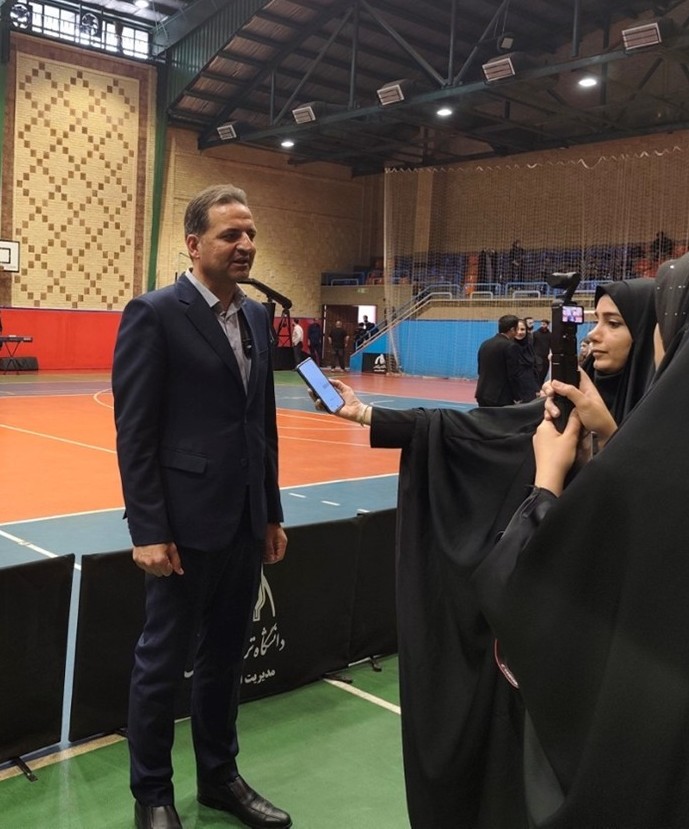
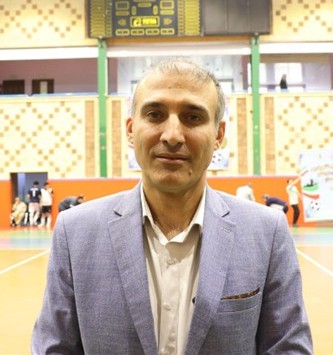
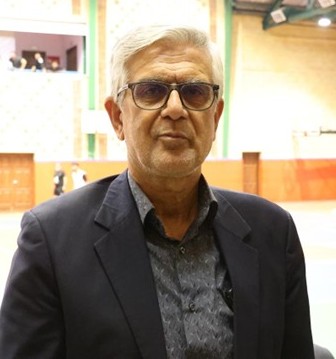
Officials and observers widely praised the technical quality and competitive intensity of the tournament. “The level of the event was very high,” said Mostafa Zarei, director general of physical education at the Student Affairs Organisation. “Even the national team coach who attended the matches was impressed by the talent and potential of the participating students.”
Zarei expressed optimism that the process of sending the champion team to Poland would proceed smoothly, emphasizng the importance of international exposure for student-athletes.
“Regardless of the outcome, the spirit of teamwork and solidarity was remarkable,” added Reza Nouri, President of the National University Sports Federation during the closing ceremony. “This is what makes university sports so valuable.”
A platform for talents
The National Student Futsal League is part of a broader initiative to reform university sports in Iran. By establishing a structured pathway—from campus-level competitions to national championships—the system aims to identify and nurture talent within academic institutions.
This approach marks a shift away from relying solely on external or professional players and instead focuses on those who progress through formal university channels. The success of the inaugural edition, which saw widespread participation and enthusiastic reception, suggests that this model could play a crucial role in the future of Iranian sports.
The tournament also carried a deeper significance, reflecting the vitality and resilience of Iran’s university community. “In the current conditions, seeing students actively engaged in such competitions is very important,” said Reza Gharakhanlou, former head of the National Olympic Committee and current academic leader. “It shows that our academic community remains vibrant and forward-looking.”
By Reza AbeshAhmadlou, AUSF Student Media Contributor
Related News
Welcome to FISU Headquarters, President Ping-Kun Chiu!
Hanyang FC Ladies: creating space for women’s sports on campus
Still in the game: Jihyeon Song’s transition from volleyball player to statistician