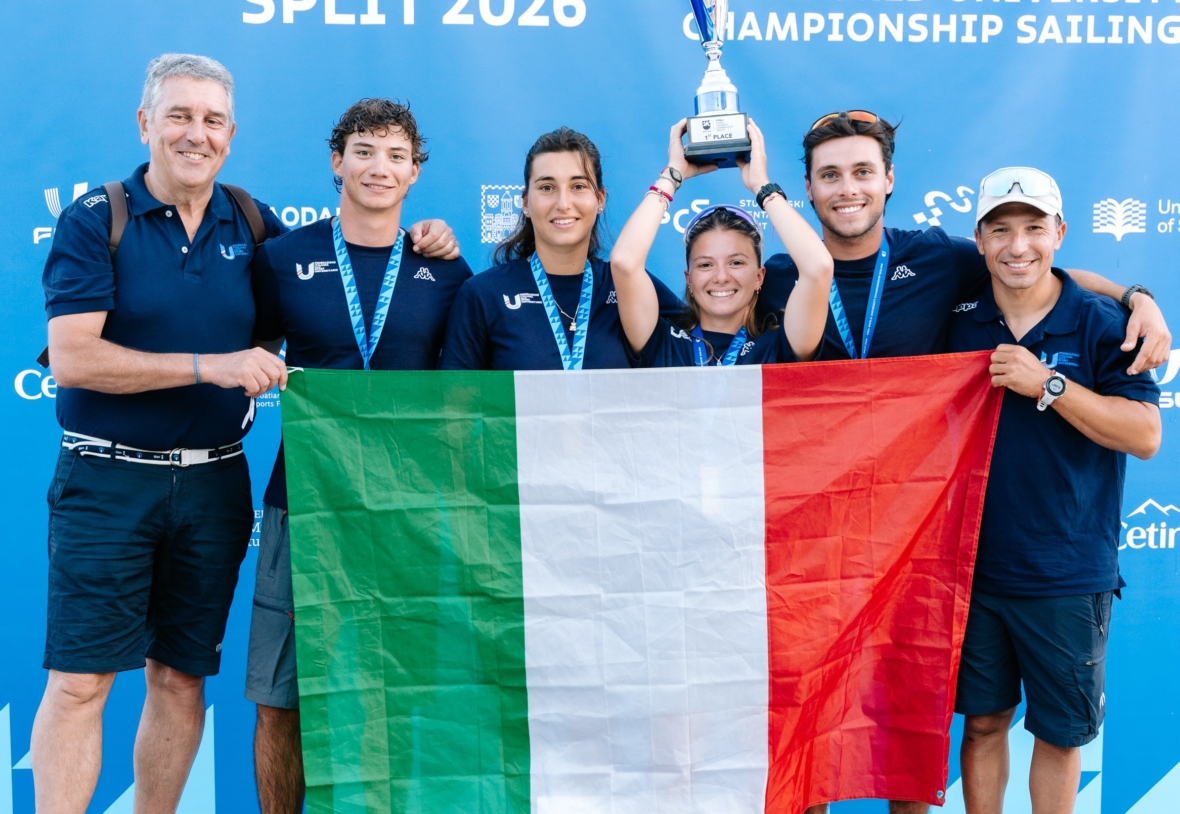

Fifteen countries, forty universities, decades of history between them and a few teams with none at all — Split 2026 brings all of it to the same start line. See you on the water, from 28 September till 2 October.
In just a few days, Croatia becomes the stage for one of the biggest university sailing events in the world as a part of the festival of sailing in Split these days. Before the crews hoist their sails, here’s a look at the key numbers behind the competition — and a chance to meet some of the teams, including the crew representing Croatia.
About the host
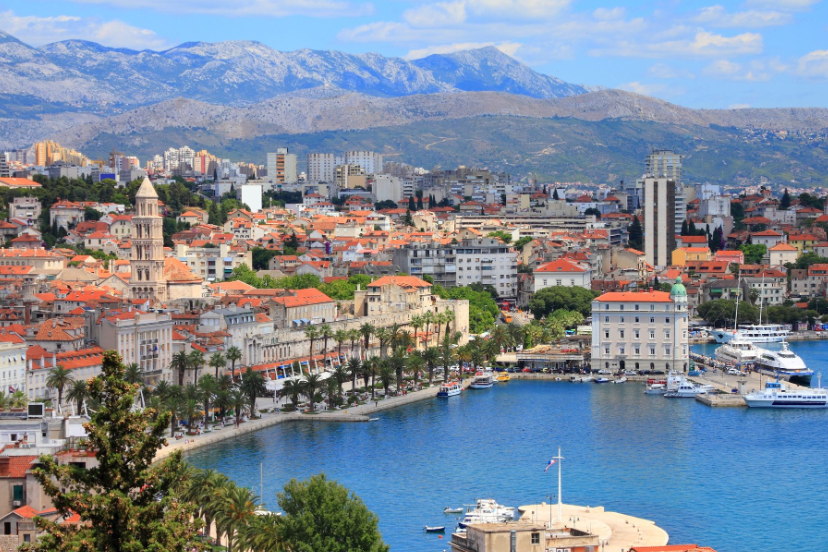
Split is a Mediterranean city with over 2,000 years of living history. Often called “the Mediterranean Flower”, Split is Croatia’s second-largest city.
Split is famous for its sporting identity, with 98 Olympic medallists linked to the city. The city celebrates this heritage through its Sports Museum and Sports Hall of Fame, and locals proudly describe Split as one of the most sport-oriented cities in the world.
The University of Split
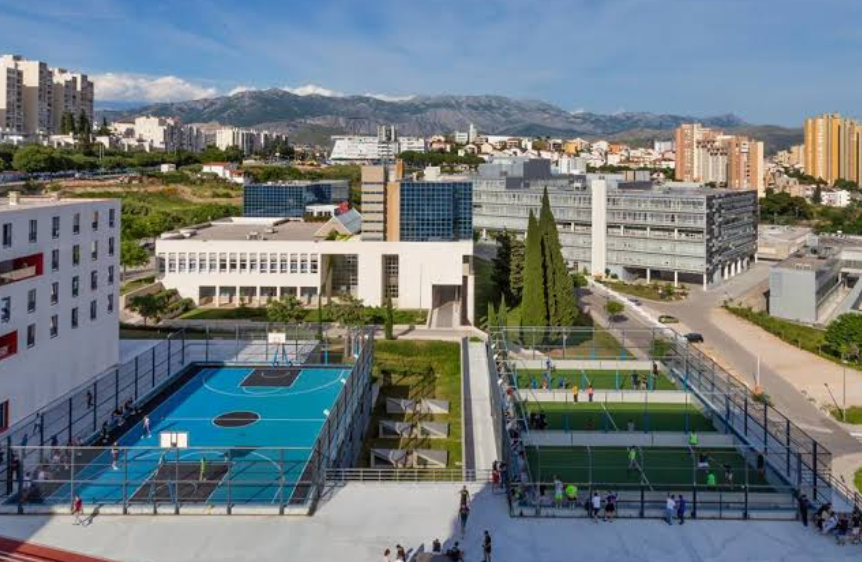
The University of Split was officially established in 1974. As a predominant scientific and teaching public institution in the region, the University of Split has expanded during the course of the past 50 years to include eleven Faculties, one Academy of Arts and four University Departments.
There are about 20,000 students enrolled in the University’s undergraduate, graduate and post-graduate programmes.
The venue
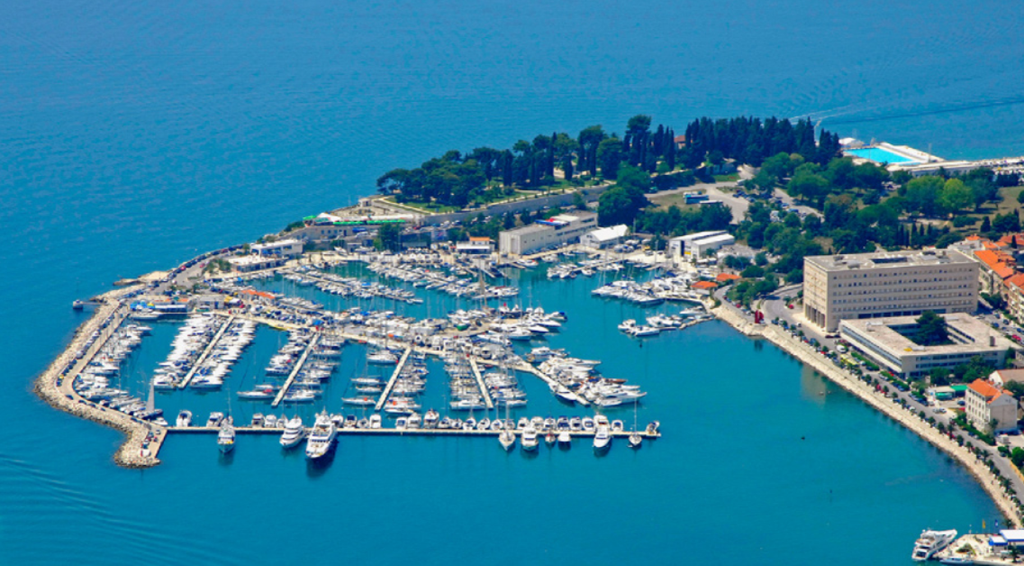
The competition will be held at ACI Marina Bay, with all facilities and the necessary infrastructure provided by Sailing Club Mornar Split.
The venue offers a stunning coastal setting and excellent sailing conditions, making it an ideal location for hosting a high-level sporting event.
The championship in numbers
The start line will bring together student-athletes from 15 countries, representing 40 universities worldwide, from four continents.
This diversity continues a growth trend for sailing within the FISU programme. At the previous edition, held in 2024 on Lake Garda in Italy, 16 teams from 14 nations and around ninety sailors took to the water, with France taking gold ahead of Italy and Singapore.
Meet the teams
Before the Croatian crew sails out in front of a home crowd, before Team Japan lands after a 9,000-kilometre journey, before Poland’s most decorated lineup steps onto a Melges 24 — the FISU World University Championship Sailing has already written several chapters across three continents. Split 2026 is the next one. Here’s how we got here.
Australia
The most decorated nation in the championship’s history — Australia won gold in both the Open and Women’s categories on home water in Perth 2016, then defended the Open title two years later in Cherbourg 2018. Recent form has been quieter, with an 8th-place finish at the last edition in Desenzano, but with two world titles in the trophy cabinet, nobody in the fleet is taking this team lightly.
Austria
Austria’s crew already has a silver medal to its name, earned in the mixed fleet final at Napoli Universiade 2019, and followed that with an 11th-place finish at Desenzano in 2024. A team that knows how to sail conservatively and stay out of trouble — and it’s worked before.
Canada
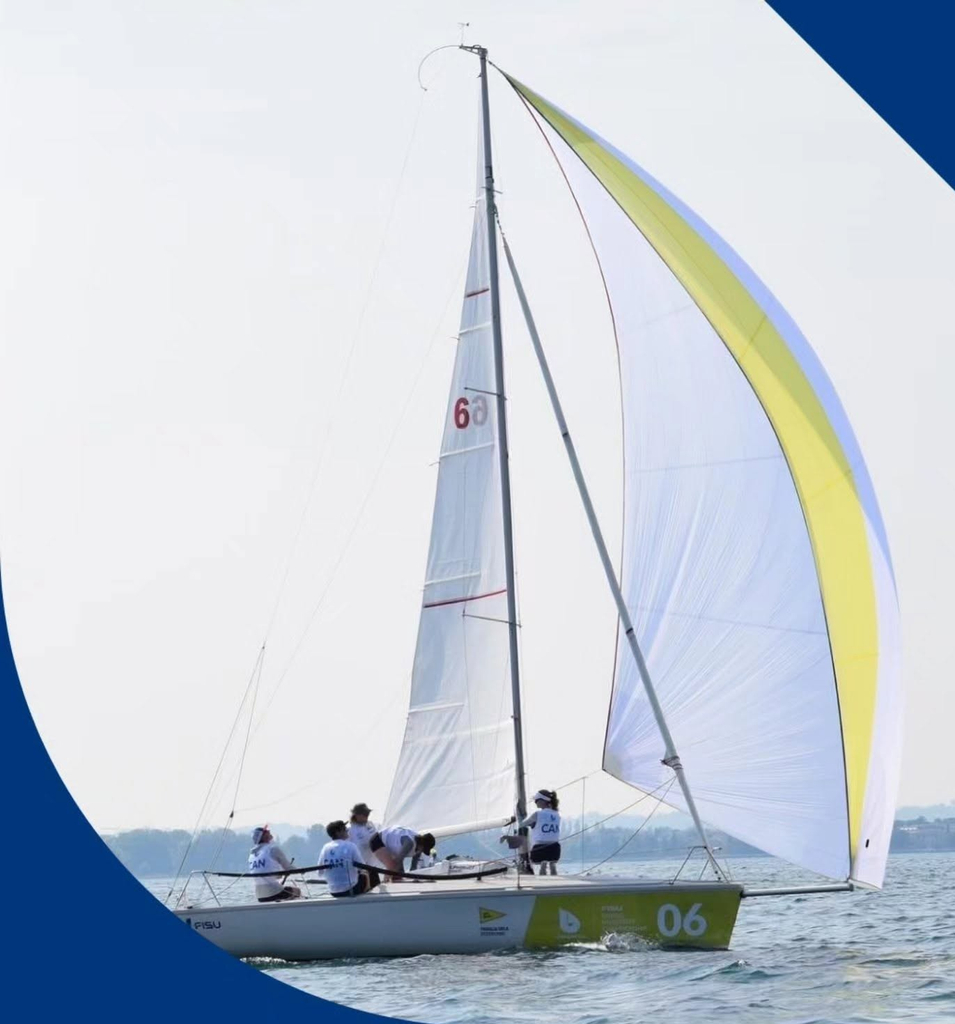
Richard Rychlik Jr. will be driving, Anna Powick will be on main, while Andrew Kenny and Elsie Gillis will handle the trim and forward positions. Clearly, they’ve already agreed on who does what — although revealing the entire setup before the championship might be a little too much strategy sharing. The team returns to the championship after a strong fourth-place finish at the previous edition in Italy. They were in podium contention throughout the regatta, but a difficult final day pushed them just outside the top three. In other words, they’re arriving in Split with some unfinished business — and apparently, Canadians don’t leave a job half-done. Since Italy, they’ve spent plenty of time on the water competing in the Canadian Intercollegiate Sailing Association, sharpening their skills and gaining valuable experience at the highest level. With redemption on their minds, Team Canada is ready to put that experience to the test against university teams from around the world.
Germany
A team that has quietly kept itself in the top half of the fleet for two editions running — being 9th at Desenzano 2024. Consistent, unflashy, and always in the mix by the final day.
Spain
Spain fielded two crews at Napoli 2019, both finishing in the lower half of a strong sixteen-team field. They didn’t appear on the results sheet at the last edition, which makes their return to Split something of a fresh start — and a chance to improve on that Universiade outing.
Italy
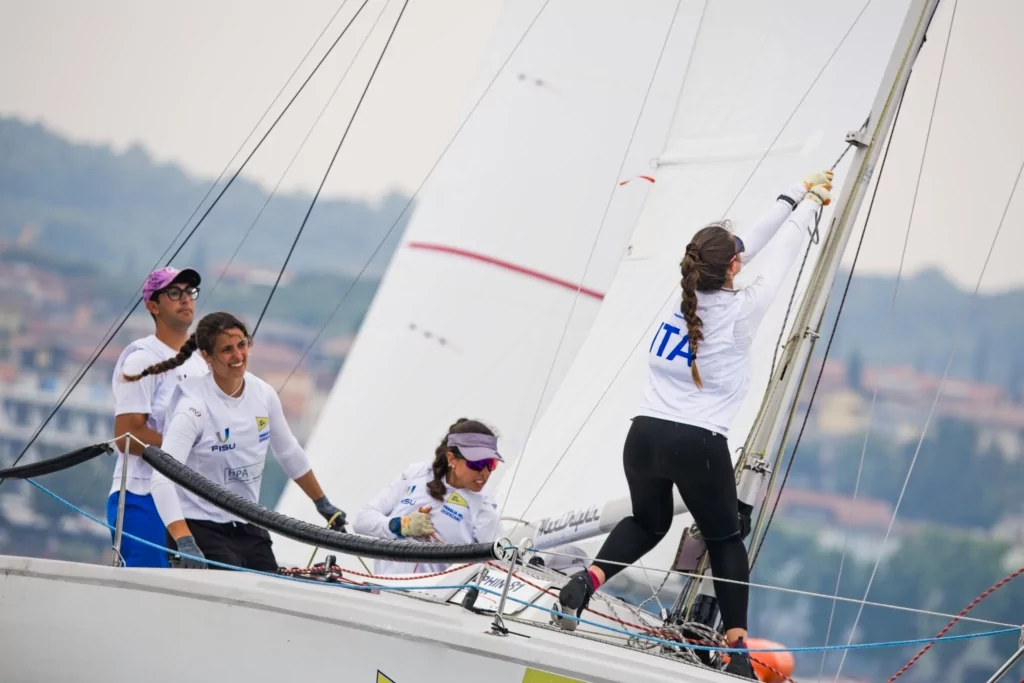
Few nations show up to this championship as reliably strong as Italy. At Desenzano 2024 — sailing practically at home — Italy 2 took silver and Italy 1 finished 5th, and back in Napoli 2019 an Italian crew cracked the top ten. With that kind of depth, Italy usually arrives with more than one crew capable of reaching the podium.
Malaysia
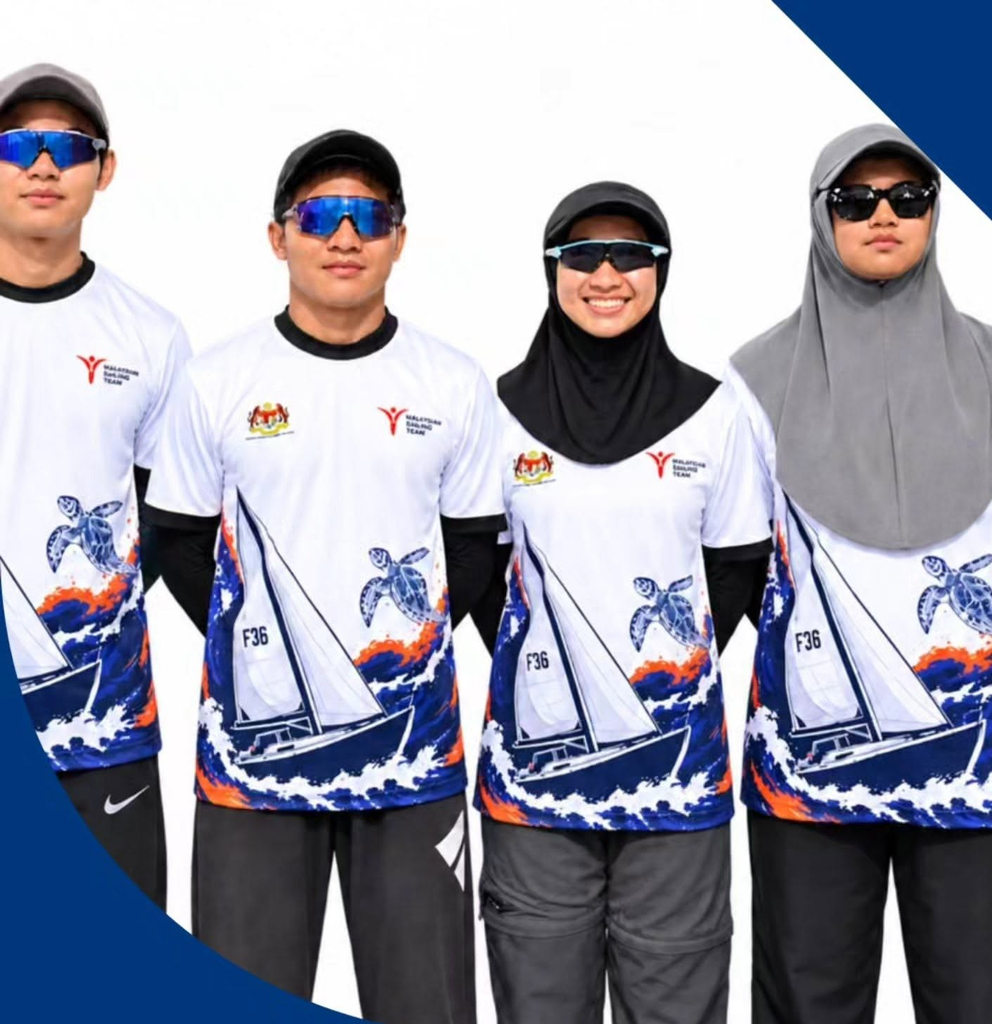
Team Malaysia arrives in Split united by teamwork and discipline, ready to give everything on the water. Beyond the competition, the sailors are looking forward to making new friends and exchanging experiences with student-athletes from around the world, proudly carrying the spirit of their university and country under their national flag. They finished 16th at the last edition in Desenzano — which leaves plenty of room to climb, and they know it.
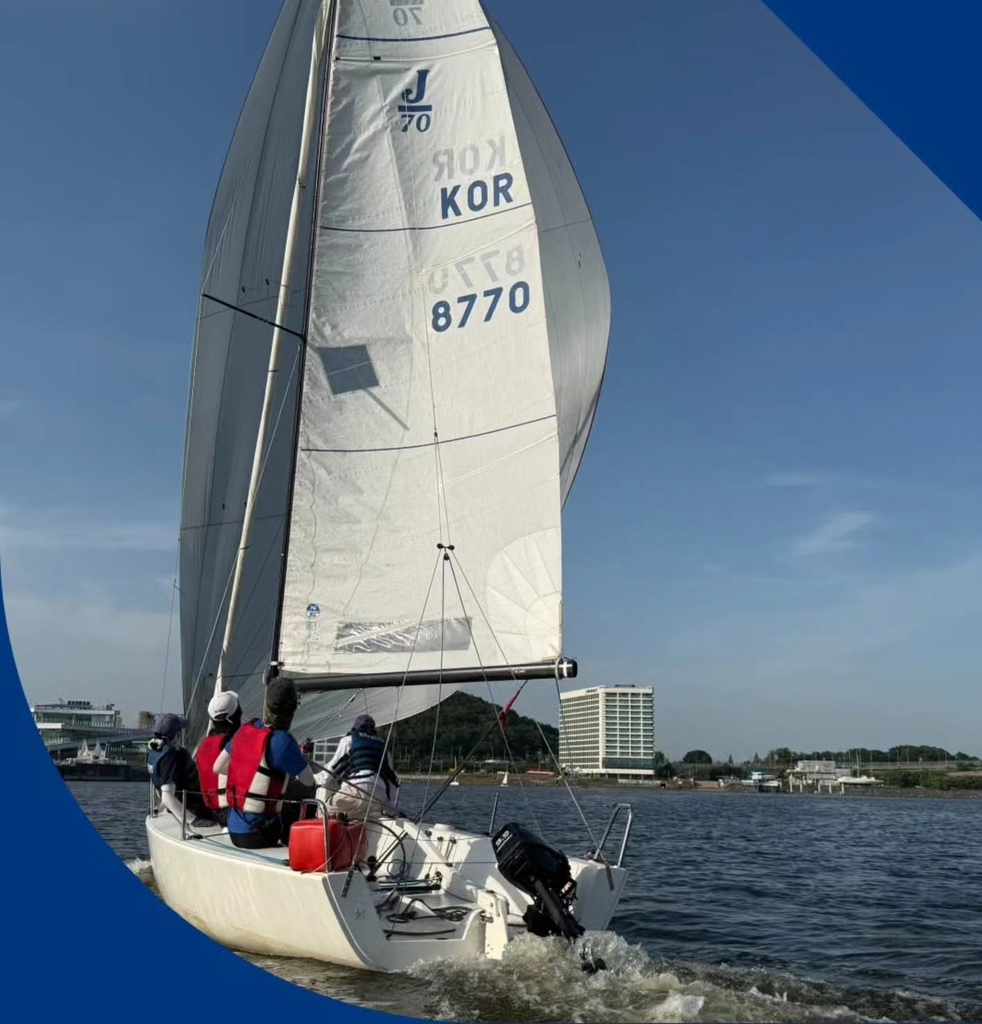
Republic of Korea
The Korean team is made up of members of the Yonsei Yacht Research Association, a university sailing club from Seoul that trains regularly on the Han River. All four sailors began their sailing careers during their studies, and this year brought a new challenge — their first experience racing keelboats. Throughout the season they competed in events such as Seoul Sailing Week and the HwanDongHae Cup in Pohang, and now arrive in Split looking to connect with sailors from around the world and enjoy fair, competitive racing. Their last appearance at this level, in Napoli 2019, saw them finish 11th — a solid base to build on.
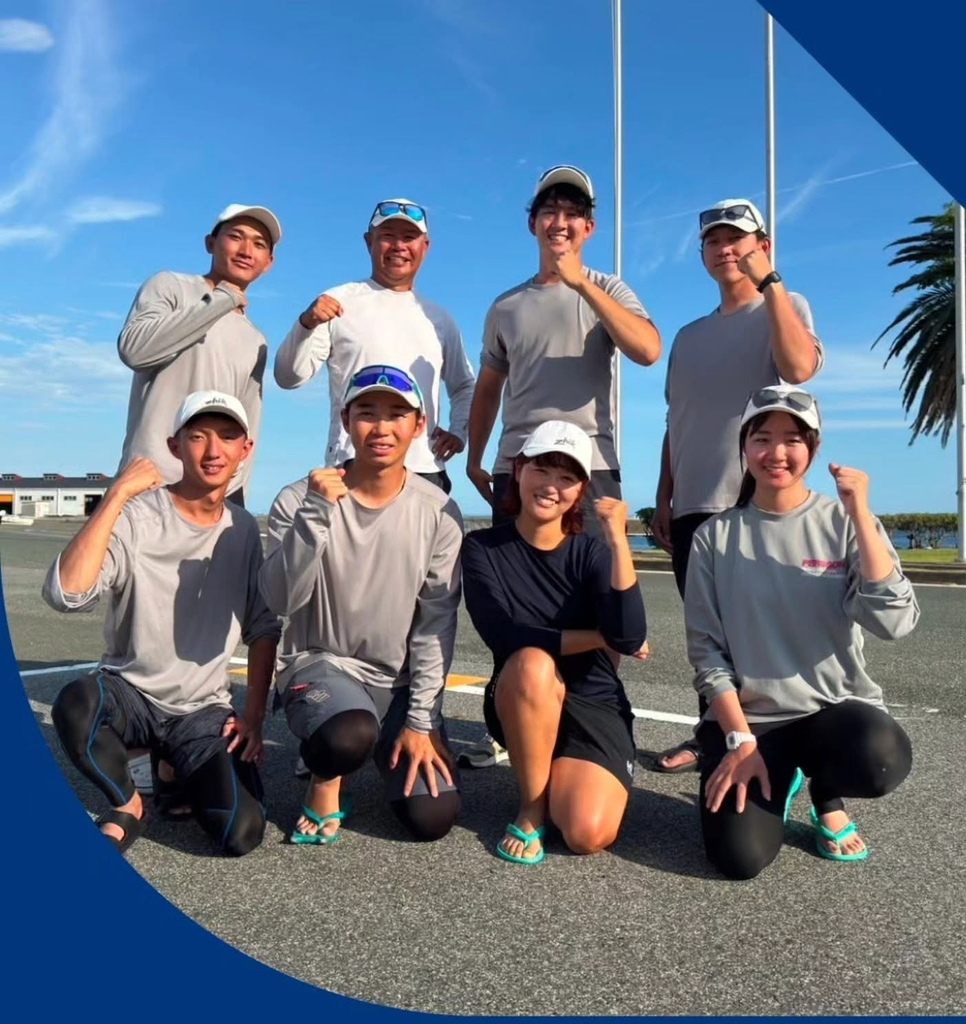
Japan
The team is made up of students from different universities, united by the samurai spirit and one very modest goal: to become world champions. A journey of almost 9,000 kilometres separates them from the waters of Split, but the distance clearly doesn’t bother them. They come from different sailing backgrounds, but they all share one important quality — they really, really hate losing. On the water, they’ll give everything they have to win the world title. Off the water, they plan to enjoy Split and make friends with sailors from around the world. So, they’re very friendly — at least until the racing begins. History is on their side to keep climbing — 8th at Napoli 2019, 12th at Desenzano 2024 — always in the fleet, never yet on the podium. This might be the year that changes.
Hungary
Hungary joins the championship fleet in Split, adding another flag to one of the most diverse start lines this event has seen. No results on the board yet — which means Split 2026 is where their story with this championship begins.
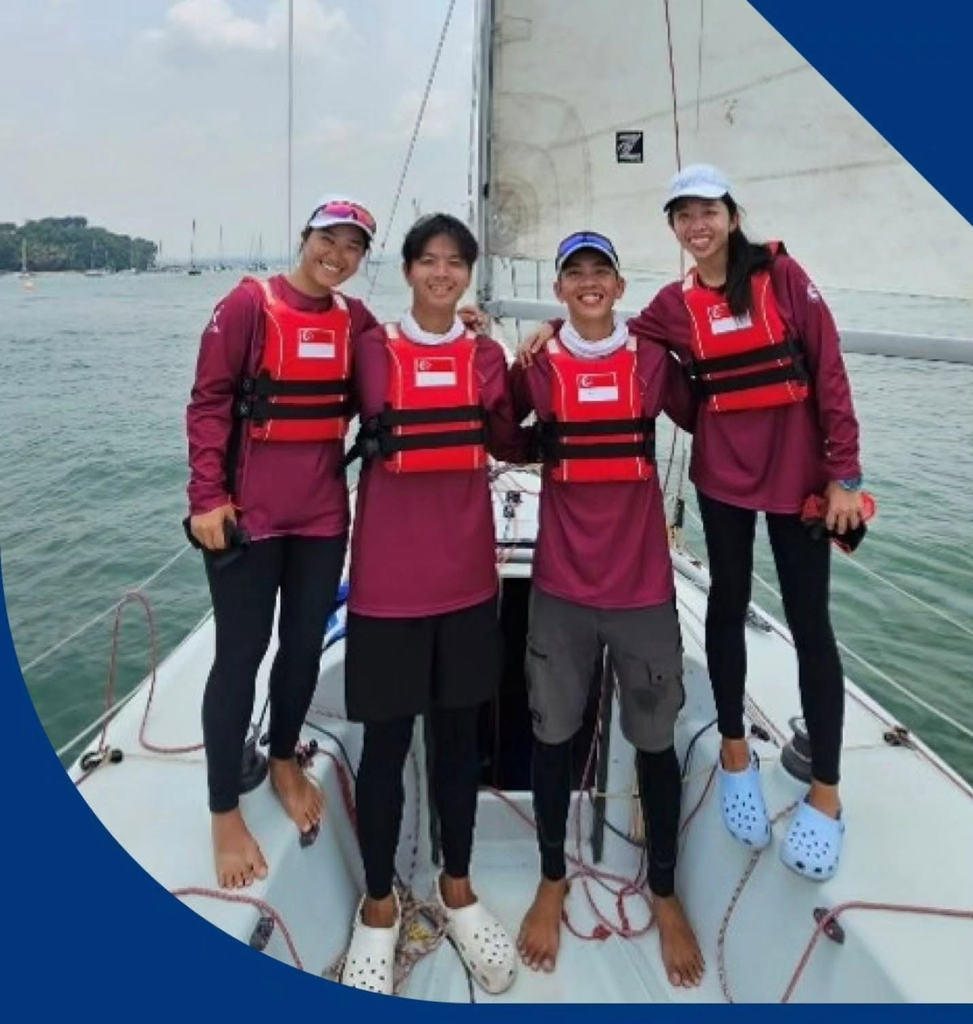
Singapore
Meet Team Singapore — four students are making their way from Singapore to Split: Annika Chui, Dylan Ng, Lee Wonn Kye and Seraphina Low. With future engineers, a sports scientist and a doctor on the team, they can design a faster boat, analyse every move and immediately deal with the consequences of celebrating a little too hard. The perfect line-up! They’re looking forward to competing against some of the world’s best university sailors, experiencing the waves of the Adriatic, enjoying the sights of Split, making new friends and having a “fruitful and unforgettable championship.” Surely, all the competitors are hoping that by “fruitful” they don’t mean taking home all the medals. And with bronze medals at both Napoli 2019 and Desenzano 2024 already in hand, that worry might not be unfounded.
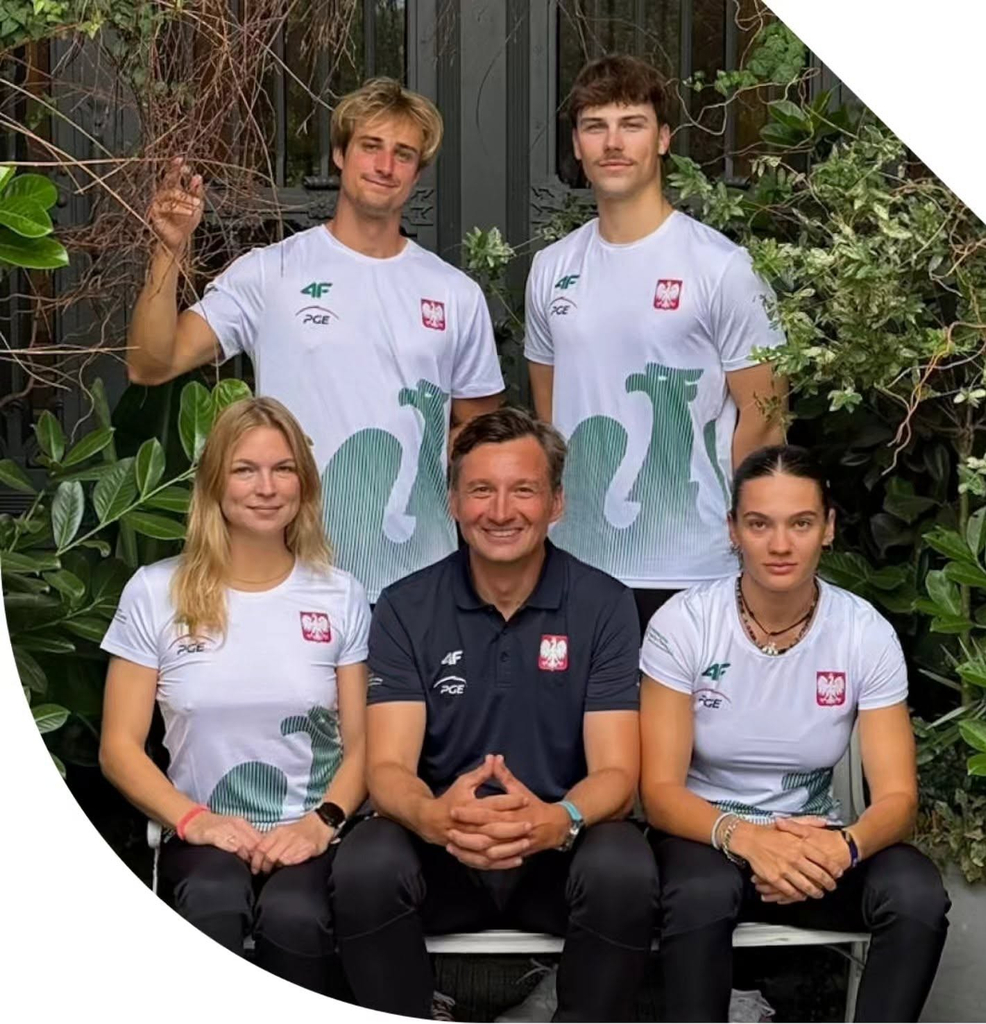
Poland
Poland’s team comes in with a seriously experienced lineup. Helmsman Patryk Kosmalski is a European Youth Champion with 17 years of experience at the helm, while Oliwia Jekiel is a former national team sailor and multiple medal winner across several classes. Paweł Kuszewski is his teammate from the Polish Sailing League, and Karolina Żurek, the most experienced member of the squad, has already competed at a previous World University Sailing Championship. That experience paid off last time out, with a 6th-place finish at Desenzano 2024 — their best result yet. The team’s goal is clear: they’re aiming for the top of the podium.
Norway
Norway rounds out the international side of the fleet, arriving in Split without a result on record at this championship yet — a clean slate, and a first real chance to put their name on the board.
Czechia
Czechia makes its way to Split as one of the newer flags in the fleet, with no prior finish at this event to point to — just a start line, a boat, and everything still to prove.
Croatia — the host crew
Representing Croatia on home waters is a young but experienced crew led by helmsman Roko Stipanović, a member of JK Opatija. Across the Optimist and Laser classes he has won Croatian national titles and competed at European and World Championships, and since 2025 has raced as helmsman for Cro-a-sail in the Melges 24 class. Antonio Lukšić (Trimmer), is the Croatian U18 national champion in the ILCA/Laser class, back-to-back Croatian champion in the Melges 24 class (U25 category), and with the same crew finished 8th overall at the European Championship in Split. Nika Manestar (Tactician) has competed at European Championships in the Optimist class and finished 6th at a World Championship in the Laser 4.7 class. This year she took part in the Vis Regatta as part of her sailing studies at the Faculty of Kinesiology. Andrea Jurić (Bowman) has raced across five different classes, from Optimist to Melges 24, in which she won the Croatian Corinthian division title in 2026. The crew heads into the championship under coach Lun Šanko, and with a point to prove: Croatia finished 14th as future hosts at Desenzano in 2024. This time, they’re racing at home — and aiming a lot higher.
The programme
Monday 28 September
12h: Qualifications
Wednesday 30 September
11h: Qualifications
Friday 2 October
11h: Finals
Tuesday 29 September
11h: Qualifications
Thursday 1 October
11h: Qualifications
Related News
The sharpest minds of world university sports meet in Liaocheng

FISU receives high-level Chinese delegation and signs agreement for 2028 World University Football Championship
Italy conquers the Croatian seas