
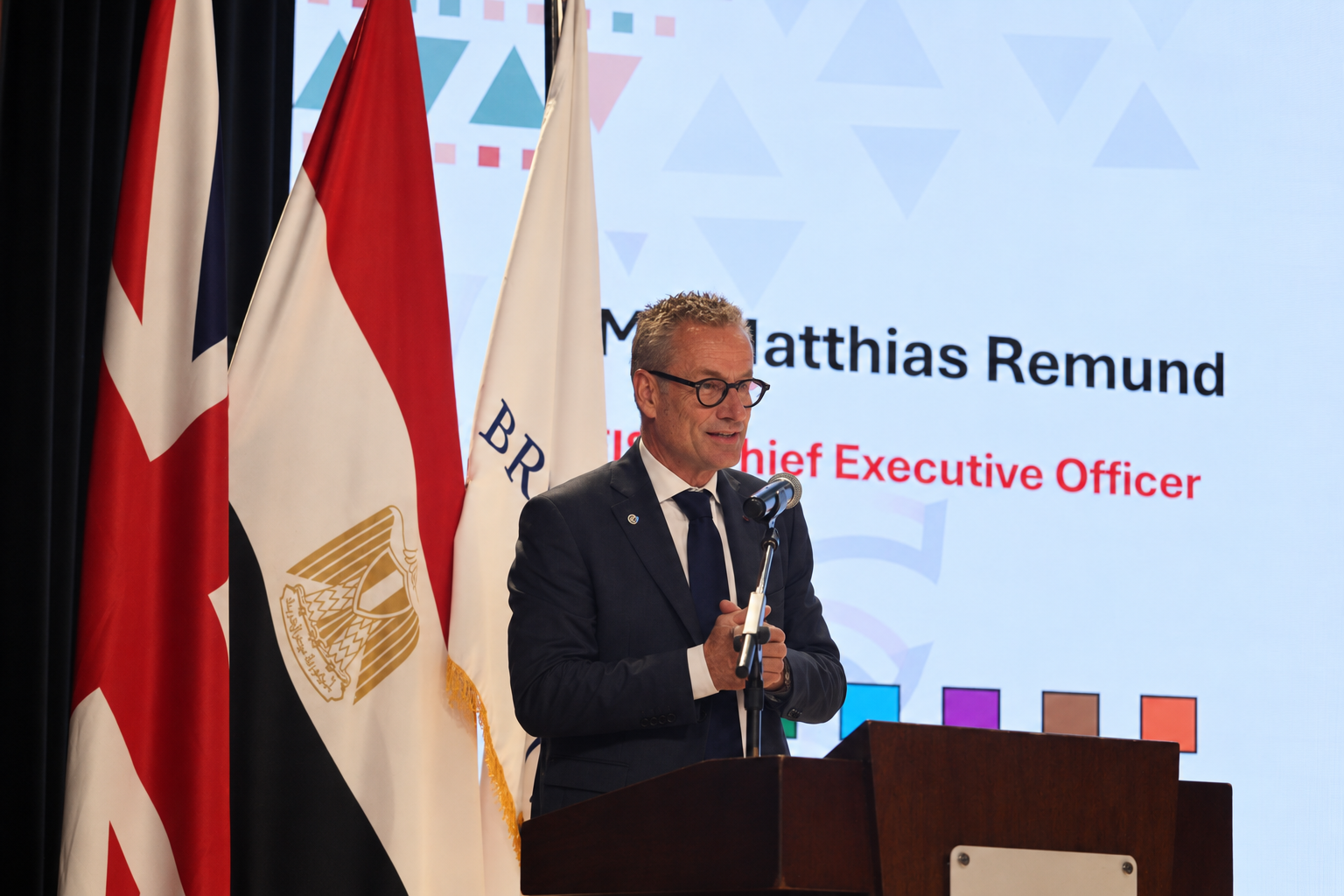
Just before the 12th All Africa University Games started Egypt, FISU Secretary General and CEO Matthias Remund participated to the Vice-Chancellor’s Forum at the British University in Cairo.
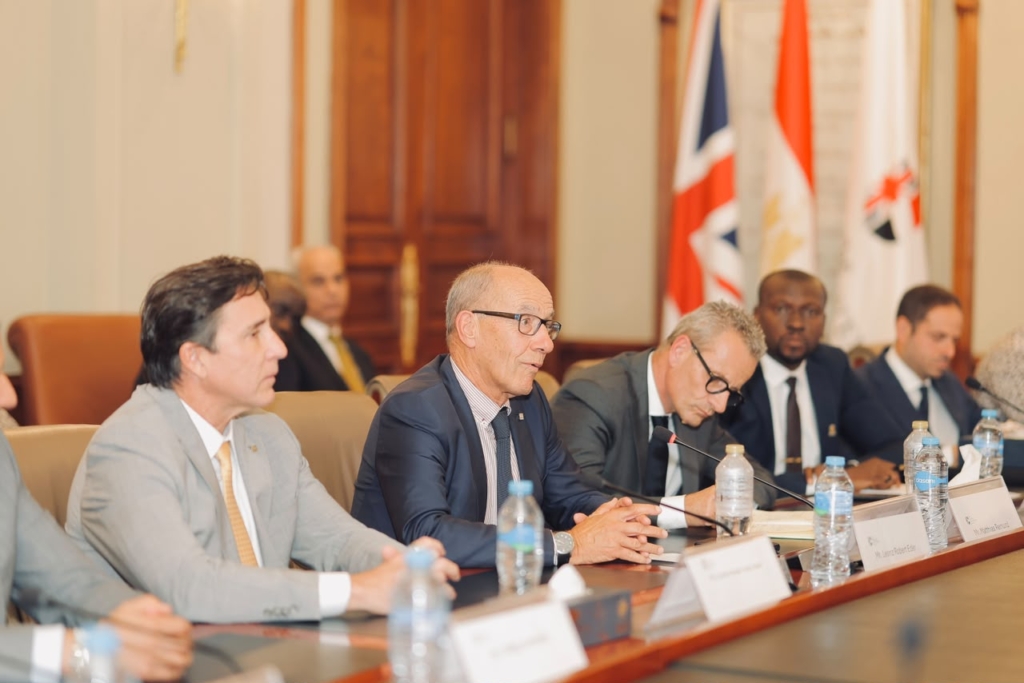
Under the title “University Sport as a Catalyst for Institutional Excellence and African Development “, the event assembled top representatives from FASU, FISU and other world university sports stakeholders for insightful talks focused on the future of the continent.
FISU Secretary General and CEO, Matthias Remund gave a keynote speech on “Sport as a Strategic Asset: Why It Matters to the Modern University?”
A huge potential
In his presentation, the FISU Secretary voluntarily looked far ahead, insisting on Africa’s huge potential. “The question of the next twenty years is not whether Africa can catch up with global university sport. It is whether global university sport can keep up with Africa. I will show you that this is not flattery. It is demography.”
The main message of his address is that sport should be used by universities as a strategic tool. This can only be done by shifting the message from medals to wellbeing, from elite student-athletes to healthy students, putting forward FISU’s Healthy Campus Programme as an example
“This is strategically smart: a certification programme speaks the language of university management. It turns sport into a quality question rather than a leisure question. The most important fight for university sport is not fought on the pitch. It is fought in the meeting where the strategic plan is signed off.”

“What is not measured is not believed”
He left the attendance with some concrete “homework”: “the correlation between academic success and students on dual careers is well-documented — internationally. We cite this research. We do not produce it. So, in every conversation with African university administrators, it’s viewed as foreign research, about foreign students, under foreign conditions.” He asked every institution to measure the following every year:
- 1. Percentage of students who participate in organised sports at least once a week
- 2. Percentage of women among them
- 3. Number of participants with a disability
- 4. Graduation rate of students who participate in sports compared to the entire cohort
- 5. Full-time positions in sports per thousand students
- 6. Usable sports area per thousand students
- “Those six numbers, across a hundred universities, over three years — that would be the most influential publication African university sport has ever produced. With that, you go to ministries, to development partners, to sponsors. Because what is not measured is not believed. And what is not believed is not funded.”
- From research to collective action
- While emphasising the importance of reliable data, Matthias Remund made clear that research alone would not be enough. He called for stronger collaboration among African universities and the national university sports federations on sports development plans and structure.
- A successful university sports system, he noted, requires institutions to share expertise, coordinate programmes, develop common standards and invest collectively in information sharing and opportunities for students.
- The next step he said; is to establish a practical structure capable of transforming that potential into sustainable progress.
- The FASU Vice-Chancellors’ Forum therefore provided more than an opportunity for discussion. It offered university leaders a call to action: to position sport at the heart of institutional development and use it to strengthen student wellbeing, academic achievement, leadership and cooperation across Africa.
Related News
An exciting celebration of African University Sport

Africa’s university sports stars ready to shine
Hosts South Africa and Canada crowned rugby sevens kings and queens