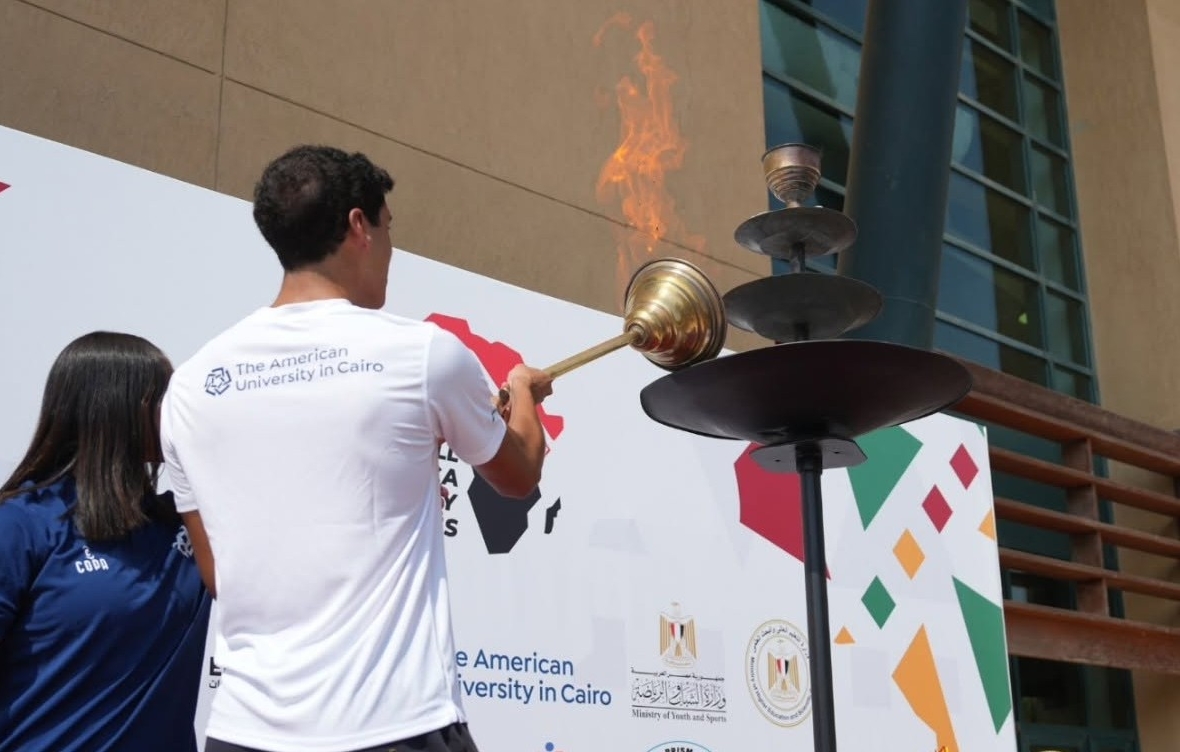

The Federation of Africa University Sports (FASU) Student Committee made history on 9 and 10 June 2026, hosting its inaugural FASU Student Committee Roundtable.
Themed “Student-Athletes And Beyond: Leadership, Opportunities, and the Future of University Sports in Africa,” the two-day virtual event drew over 100 participants from across the five FASU zones in the African university sports movement, including student-athletes, sports tutors, FISU Student Ambassadors, administrators, and National University Sports Federation (NUSF) officials.
Day one: the student-athlete experience
Opening the event, FASU Student Committee Chairperson and Student Representative, Aupal Emmanuel from Uganda called the gathering “an important milestone for student representation within FASU.”
“University sport is much more than competition itself. It’s about developing leaders, building communities, creating opportunities, and preparing young people to make meaningful contributions”.
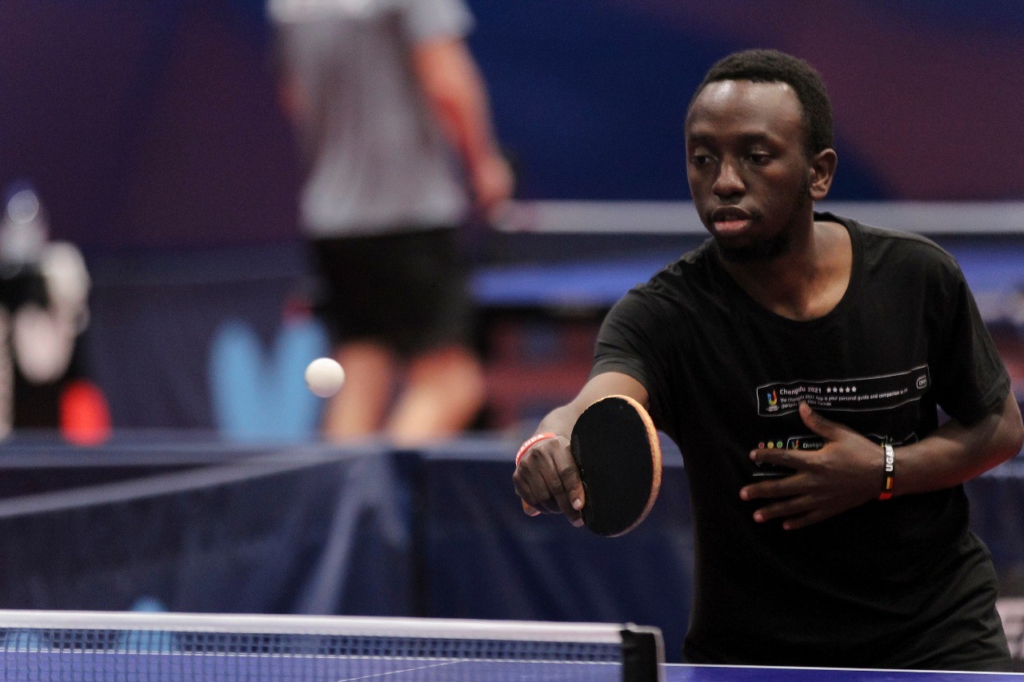
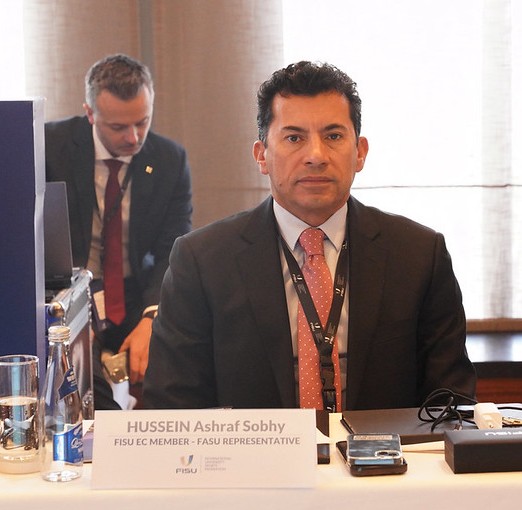
FASU President, Dr. Ashraf Sobhy, commended the initiative and reaffirmed FASU’s commitment to increasing student representation, including the addition of a female representative to the Executive. “This gathering reflects our unwavering commitment to engage with students as key partners in the development of university sports across our continent”.
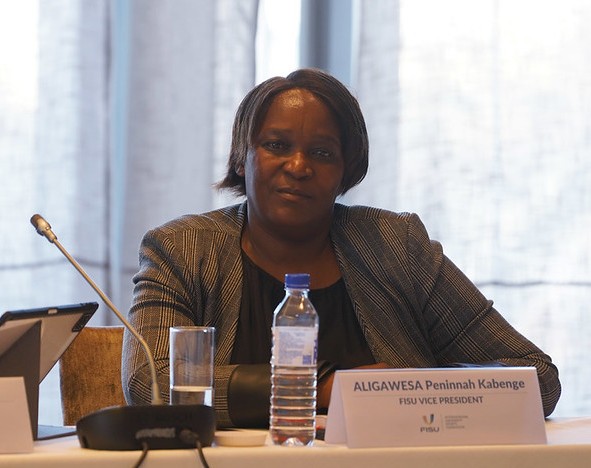
Echoing the FASU President’s sentiment, FISU Vice-President Peninnah Kabenge described the roundtable as “more than just a platform for discussion. It’s an investment in the future leaders of our universities, our communities, our continent.” She added that students are “not merely beneficiaries of our programs — they are partners, innovators, and drivers of change.”
Challenges but also advantages of dual career
Aupal Emmanuel presented nine key challenges facing student-athletes in Africa, including balancing academics and sports, financial constraints, mental health concerns, and limited facilities. He proposed practical solutions such as flexible academic arrangements, university sports scholarships, and mental health awareness programs.
Ugandan badminton player Husina Kobugabe shared her personal journey of recovering from an ACL injury, emphasizing resilience and discipline. “I study in the morning and train in the afternoon,” she explained, stressing the importance of mental health during recovery.
Today, students sit on the same table where decisions are made for university sports.
A lively panel discussion followed, asking whether African universities adequately support student-athletes beyond competition. Awakhiwe Mdlongwa (Zimbabwe) raised concerns over gender discrimination, while Herve Orly (Burundi) bluntly stated that many institutions treat athletes “as athletes first and students second.” Christiana Owomuhangi (Uganda) pointed to inconsistent university support that hinders career progression, though Abigail Khumalo (South Africa) noted positive examples like scholarship opportunities.
Day two: leadership and careers in African university sports
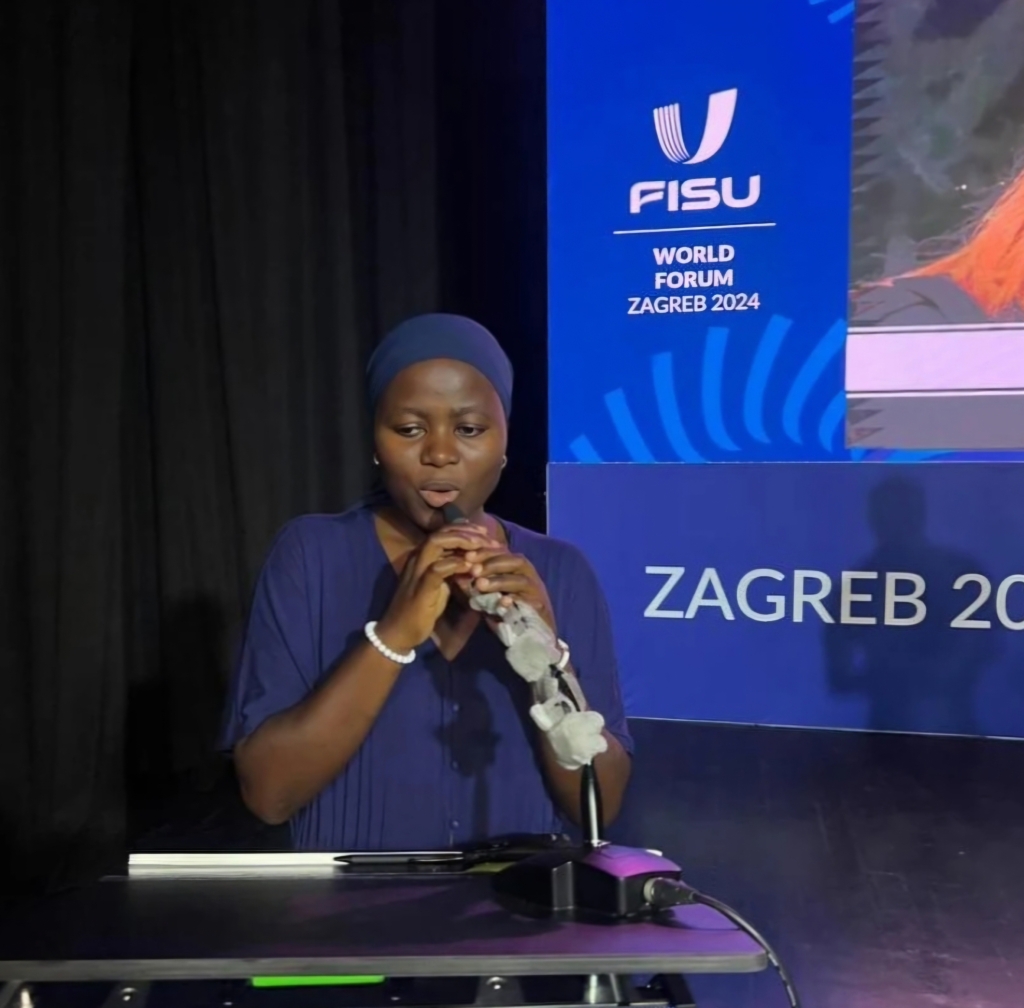
The second day opened with FASU Student Committee Vice Chairperson, Diana Barasa from Kenya (here at the Zagreb 2024 FISU World Forum), who framed university sports as “a platform for leadership development, personal growth, networking, and preparing young people for meaningful careers beyond competition.”
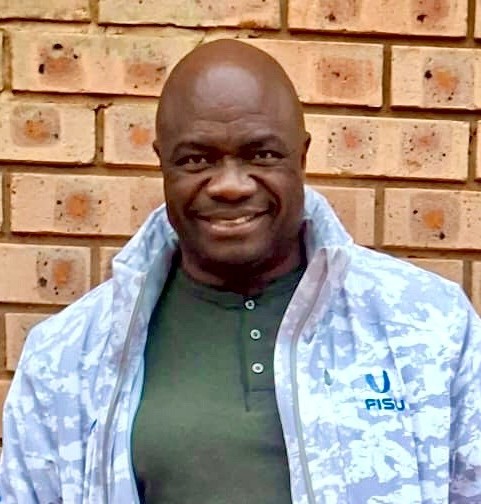
Keynote speaker and FASU Honorary President, Dr. Malumbete Ralethe, delivered an inspiring call to action: “Africa needs you. FASU needs you. Today, students sit on the same table where decisions are made for university sports.”
He reminded student leaders of their dual responsibility: earning a qualification while also contributing to their National University Sports Federations. “Do not work in a silo as an individual,” he warned, adding that FASU’s growth is “almost guaranteed now by your participation in this roundtable.”
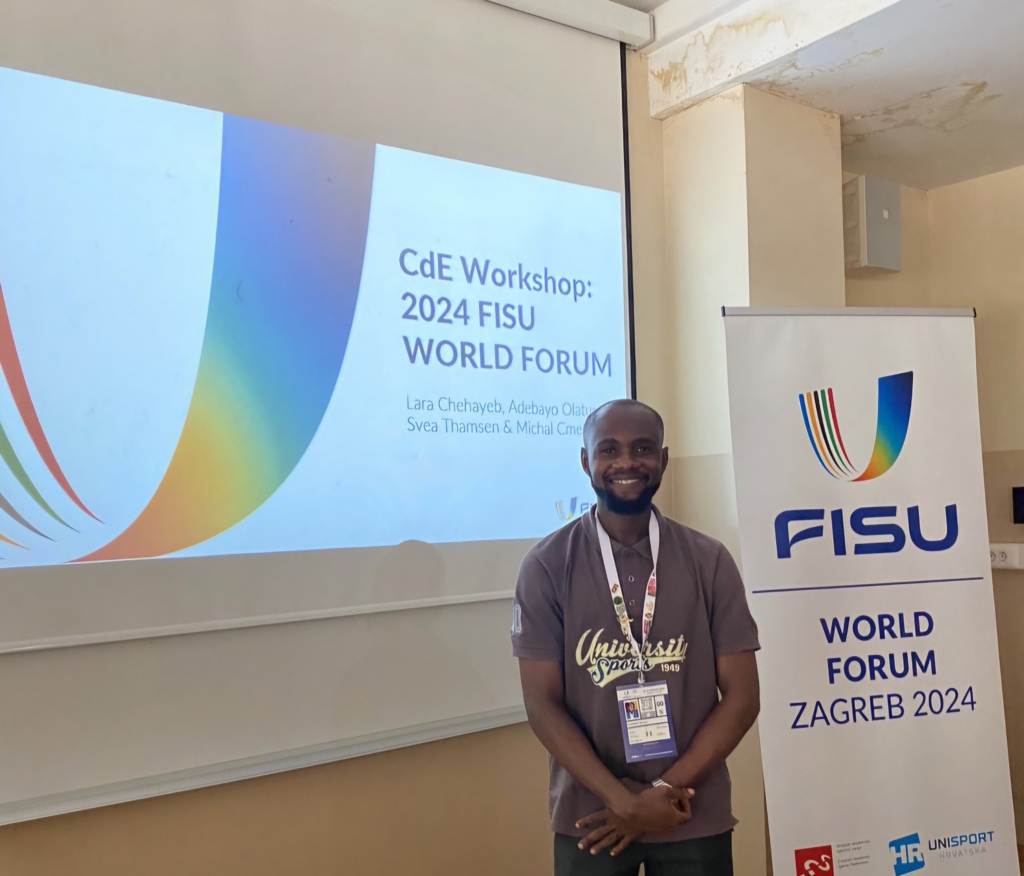
Adebayo Olatunde, FASU Student Committee Member from Nigeria (here at the Zagreb 2024 FISU World Forum) challenged students to embrace leadership. “If individuals always relegate leadership to other people, especially those who are not competent, then those people are free to do whatever they want. Don’t shy away from leadership opportunities.”
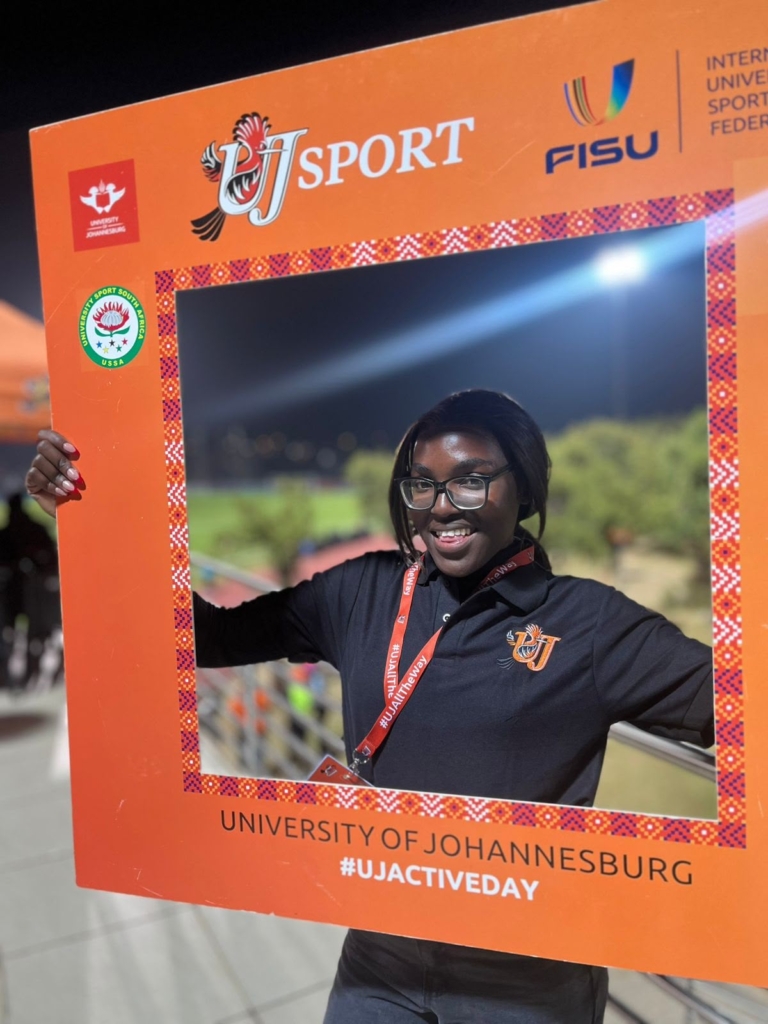
Abigail Khumalo returned to discuss career pathways, opening with a powerful line: “Preparing for a career beyond competition starts with being willing to get involved outside of the playing field.” She urged athletes to volunteer, build networks, and learn how sport operates behind the scenes. “The experiences you gain today can become the foundation of your careers tomorrow.”
Final panel: mapping impactful careers
The roundtable concluded with a panel on preparing for careers in sports administration, media, management, and governance. Victor Olabisi (Nigeria) described sports as “an ecosystem,” noting that “the sports industry employs far more people outside the field of play than on it.” Marielle Coiffic (Mauritius) challenged the misconception that “sports ends when competition ends,” urging students to build personal brands and professional networks early.
Lusapho Hlatshaneni (South Africa) advised a “personal skills audit,” reminding athletes that skills developed on the field—leadership, teamwork, communication—are highly sought after in life beyond sport.
Anita Tembo (Zambia), immediate past FASU Student Representative, shared how her leadership journey shaped her. “One’s network is your net worth. Don’t just connect anyhow. Know what your goal is,” she said. She encouraged students to see themselves not only as competitors but as “future administrators, policymakers, and managers.”
Closing: students as the architects of the future
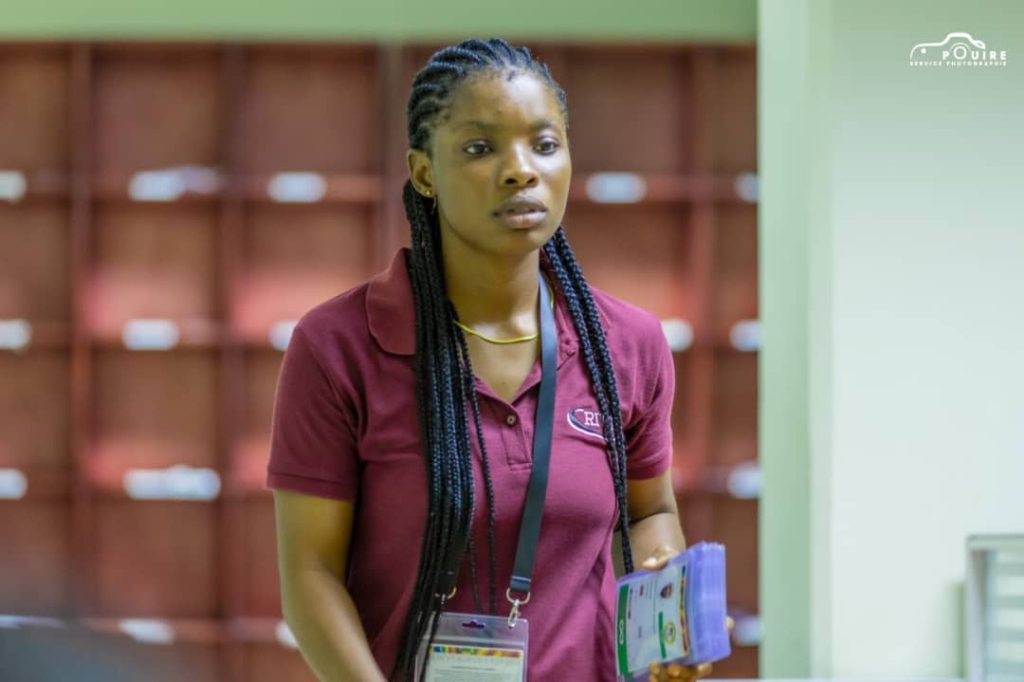
Priscilla Dadzie, FASU Student Ambassador from Ghana, delivered the closing remarks. “Over the past two days, we have explored important conversations around student-athlete development, leadership opportunities, careers, and the future of university sports in Africa,” she said. “We look forward to meeting again as we continue building a stronger future for university sports.”
The inaugural FASU Student Committee Roundtable closed with a clear message: African university sports are evolving, and students are now active architects of that future.
Written by Aupal Emmanuel, FASU Student Representative
Related News
An exciting celebration of African University Sport
“The most important fight for university sport is not fought on the pitch, but in the meeting where the strategic plan is signed off.”
Africa’s university sports stars ready to shine