
Meet Jordan Townsend. She is the High Performance Support Programme Coordinator at the University of Auckland (UOA). She acts as the crucial link between student-athletes and their teachers, allowing a tailor-made path for each one of them. Welcome to the second part of a three-article series on “Dual Career at UOA”.
Her smile, warmth and openness make anyone approaching her feel comfortable. No wonder Jordan Townsend was hired to be the “confidante” of more than 300 student-athletes at the FISU Healthy Campus Member, the University of Auckland. Her positive philosophy – “as long as you keep moving forward, you are moving in the right direction” – is contagious and she daily transforms problems into solutions to facilitate the students’ Dual Career journeys.
Jordan, could you please first tell us a few words about yourself?
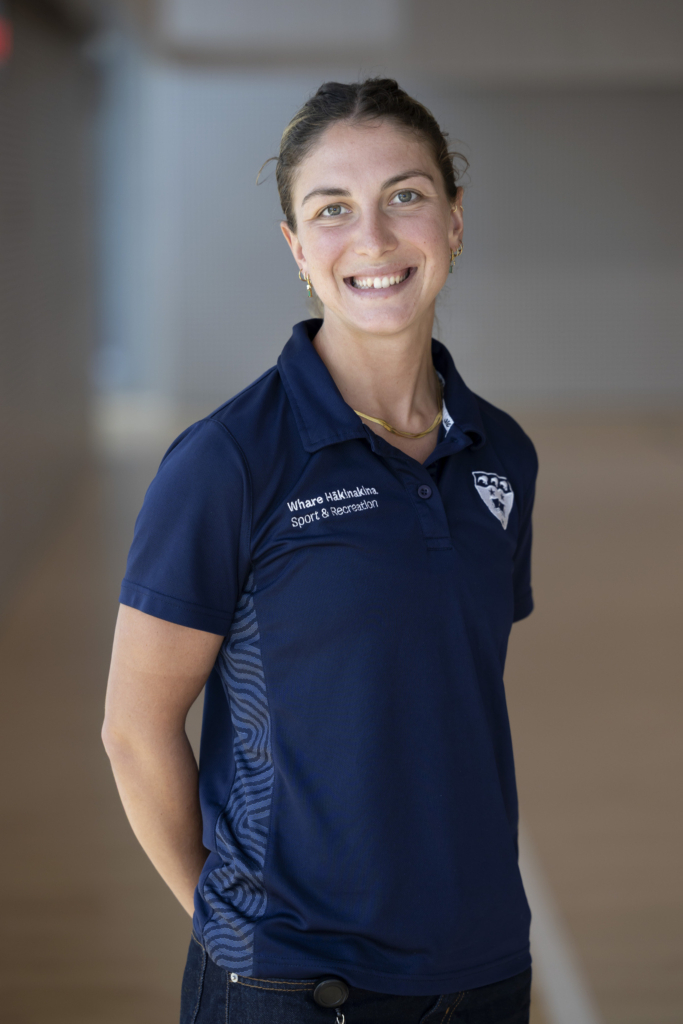
I’m a 23‑year‑old originally from Montreal, Canada, and now based in Auckland, New Zealand, where I support over 300 student‑athletes studying at UOA while pursuing their individual high‑performance sporting goals.
Has sport always been part of your life?
Absolutely. I have grown up as an athlete, and sport has shaped my identity, even when I didn’t have a clearly mapped‑out path or know what was coming next. I grew up as a competitive swimmer until a chronic injury forced me to step away. It felt like the end of something that had defined me my entire life, but it became the beginning of something new. Throughout my university degree studying Exercise Science, I stayed involved in sport through coaching swimming for a triathlon club at McGill University back in Canada, and eventually my athletes convinced me to try a triathlon myself.
What began as a fun race opportunity changed my entire life trajectory.
And you went from triathlon to Ironman…
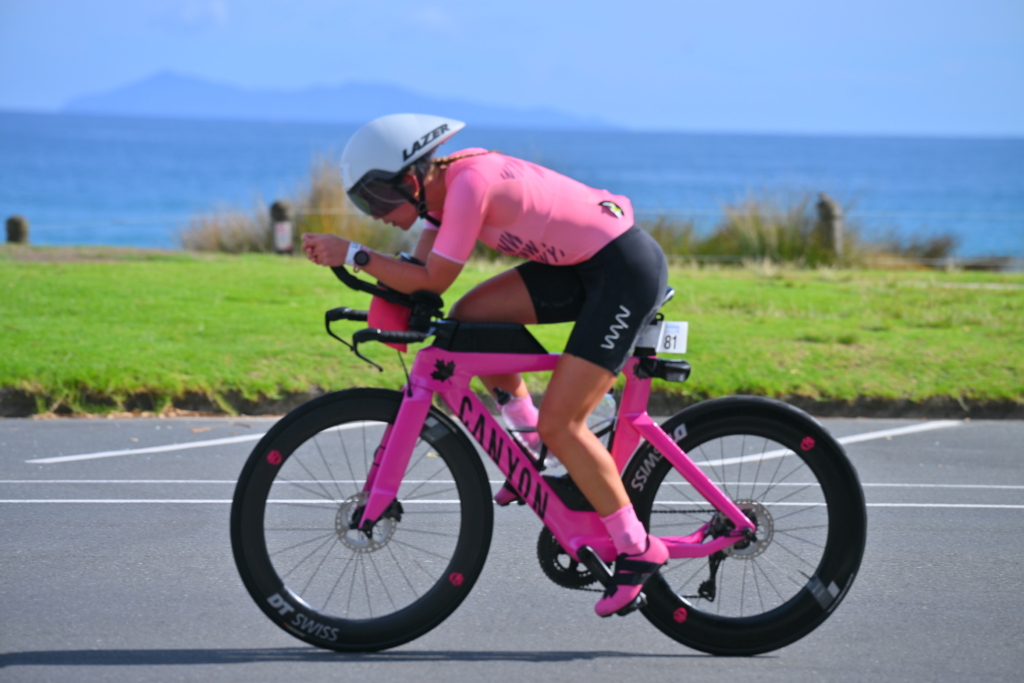
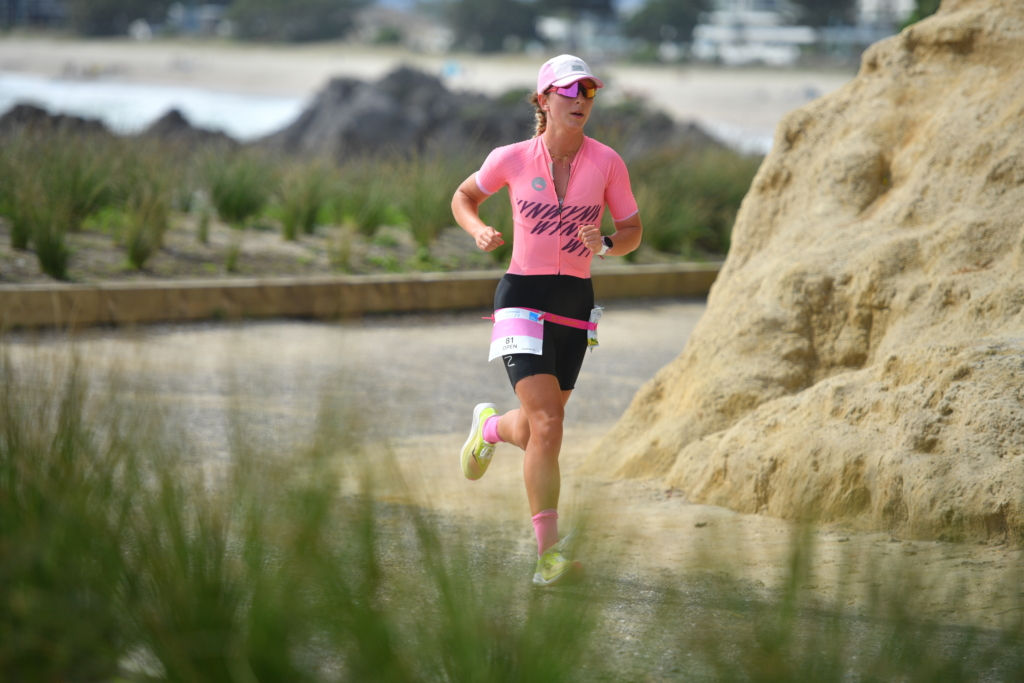
Indeed. I signed up for my first Ironman 70.3 at home in Quebec, and qualified for the Ironman 70.3 World Championships in Taupō (NZL). Following graduating from university, I decided to travel to New Zealand to compete, without any plan of what I was going to do after the race. Before long, I had built a community of triathletes who inspired me to sign up for a full Ironman. I went on to win my age group and qualify for the Ironman World Championships in Kona, Hawaii. Through that same training group, I discovered a work opportunity at the University of Auckland. I didn’t think I could apply, as I was on a Working Holiday Visa, which only allows temporary employment. I applied anyway, and someone from my triathlon community put in a good word for me at the University. It truly showed the importance of connection, community, and always putting your best foot forward. The interview was electric, and I landed my dream role in a country that was not my own. What began as a fun race opportunity changed my entire life trajectory and ultimately made my move to New Zealand permanent.
You decided to use that experience to help others?
Yes. Now I get to work at the University of Auckland with student‑athletes while pursuing my own sporting goals. Having been an athlete my entire life, I understand the discipline, ambition, and uncertainty that come with pursuing high performance. Even when you are chasing a clear goal, the next step is not always obvious. But I have learned that progress comes from taking the step anyway. My lived experience of signing up for my first triathlon without knowing what was next shapes how I support student‑athletes, not just in their sport but in who they are becoming alongside it. Growth comes from stepping into uncertainty. One step led to the next, and as long as you keep moving forward, you are moving in the right direction.
You chose not one sport, but three sports in one. Do you always multitask?
Absolutely, multitasking has always been part of who I am. I’m rarely focused on just one thing at a time; more often, I’m juggling multiple ideas, commitments, or projects at once. My friends and family regularly tell me to slow down, because I tend to already be thinking about what’s next before the current moment is finished. Over time, this has become a real strength. Managing multiple sports within one discipline, alongside the demands of everyday life, has taught me how to stay organised, adaptable, and mentally sharp under pressure.
That ability became especially important during the period when I was training over 20 hours a week for the Ironman World Championships while also working full‑time (40 hours a week) and adapting to life in a completely new country. Balancing elite‑level training, professional responsibilities, and major personal change required constant shifts between roles—athlete, employee, and newcomer—often all within the same day. At the same time, multitasking is something I’ve had to learn to manage carefully. Being a chronic multitasker can mean forgetting to pause and reflect, so learning when to slow down, recover, and “smell the flowers” has become just as important as learning how to push forward.
I will never forget my history teacher, who would allow the swimmers to have a power nap on their desks, as we were often falling asleep after having practice from 5:30–7:30am before heading to school.
What was the support for student‑athletes like in Canada?
The support in high school was incredible. I was a competitive swimmer throughout my high school studies. I attended John Rennie High School in the Sport‑Études programme. This programme was set up for students to attend their courses from 8am–12pm, Monday–Friday. After 12pm, the different students would go off to their respective sports. We were all disciplined student‑athletes, so even though we were in class for less time, we still covered the same content as students in the regular stream. Teachers were very understanding when we were away for competitions and would move tests so we could sit them either before or after competitions.
I will never forget my history teacher, who would allow the swimmers to have a power nap on their desks, as we were often falling asleep after having practice from 5:30–7:30am before heading to school. This teacher showed me the value in having someone who “saw” you as a person and was always in our corner for support when we needed it, especially when sometimes I would be too worried to talk to my coach directly or just needed someone to make me feel seen. It inspired me to become that person for other student-athletes.
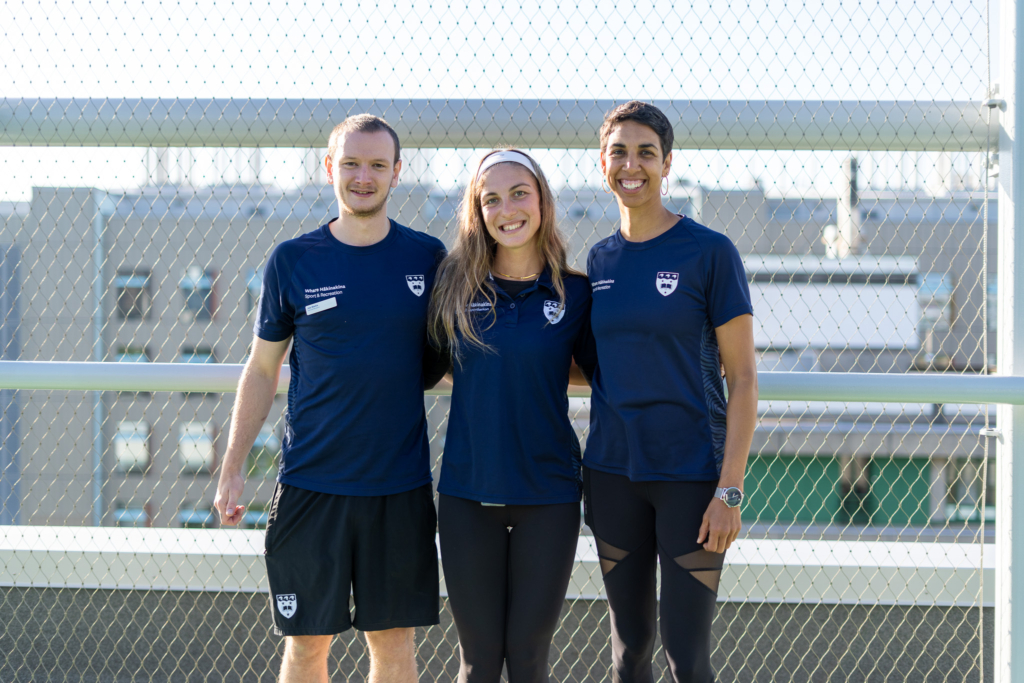
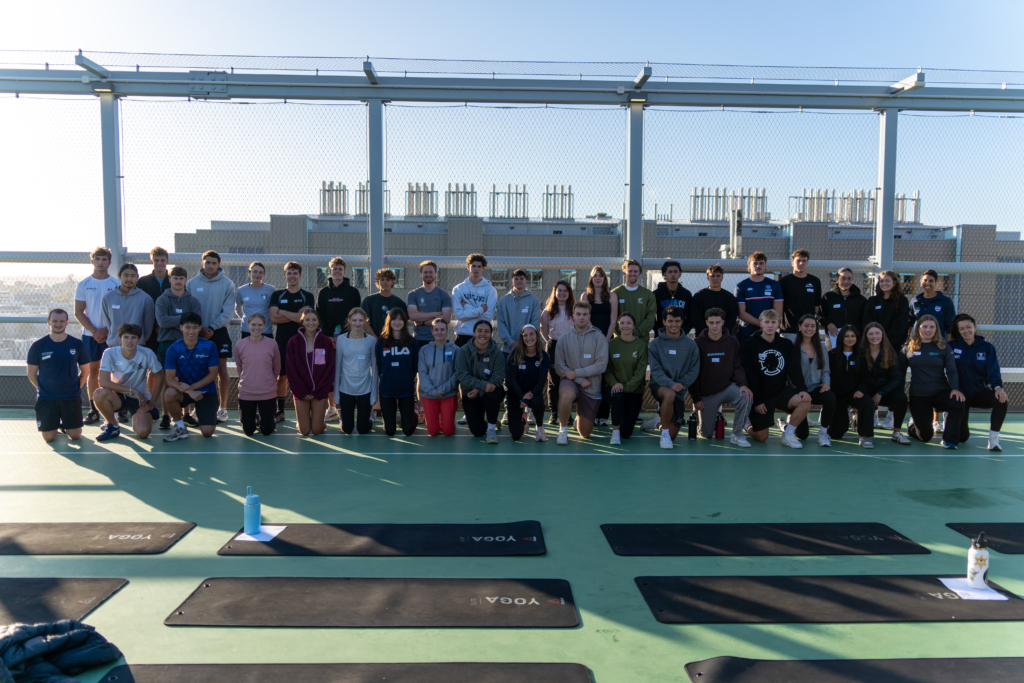
Honestly, were you ever tempted to drop your studies or your sport?
I think every athlete would be lying if they said they never thought about quitting, especially when training and study loads begin to increase and become overwhelming. For me, my wrist injury was the final straw that forced me to quit. It was an extremely difficult decision to make, as swimming was my main identity and all I had ever known, especially as a 16‑year‑old in the middle of discovering who I was as a person. It was incredibly hard, but it marked the beginning of a new journey: finding myself after losing a major part of who I was. This encouraged me to grow my coaching which is what led me to coaching at McGill, the next step.
I aim to be a one‑stop shop for the services they need to succeed.
How would you define your role? Are you some kind of match‑maker between student‑athletes and their professors? What about their coaches?
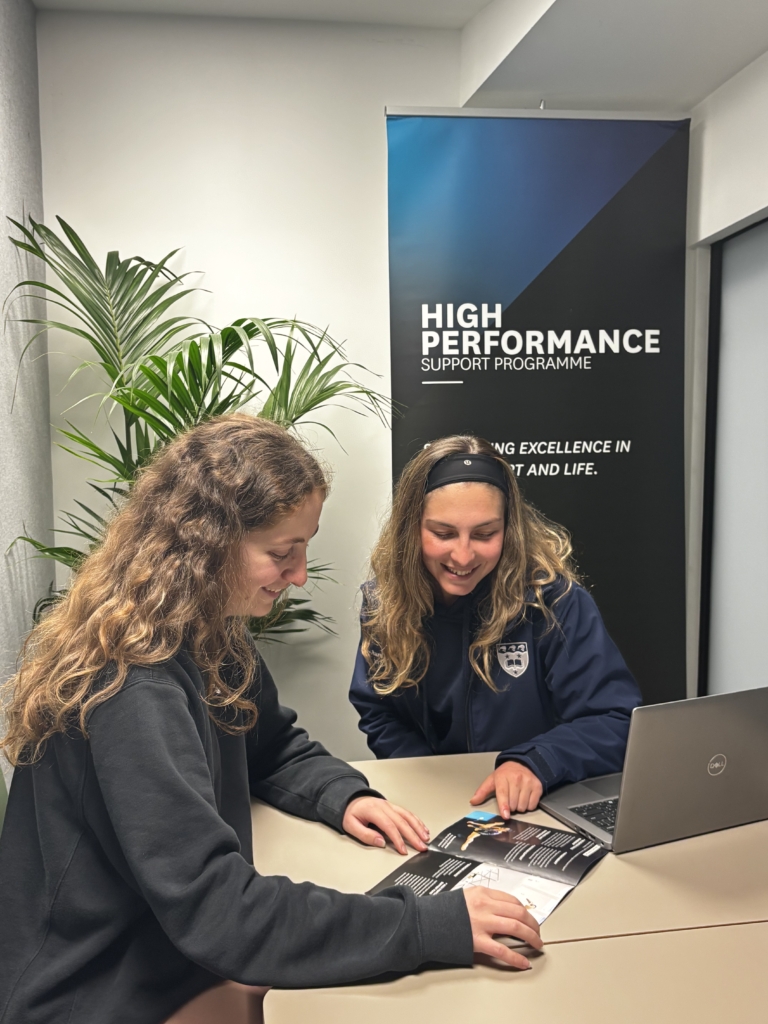
My role is perfect for me, as it involves a lot of different elements at once. I help student‑athletes manage three main pillars of success: academic, performance, and holistic wellbeing. I aim to be a one‑stop shop for the services they need to succeed.
In terms of academic support, I help facilitate discussions between course coordinators and athletes. I try to empower students to become independent and take ownership of their communications. Athletes are provided with an email template they can use when communicating with course coordinators, filling in their student ID, name, course, and competition dates. They then copy me, allowing me to step in only when needed.
As the High Performance Sport Coordinator, my role sits at the intersection of elite sport and education, supporting student‑athletes to successfully balance their academic and high‑performance commitments. This work is underpinned by a Memorandum of Understanding between the University of Auckland and High Performance Sport New Zealand, which formalises a shared commitment to enabling dual careers for high‑performance athletes. Through the Athlete Friendly Network Tertiary Partnership, the University adopts nationally consistent guidelines that provide flexibility, advocacy, and tailored academic support for athletes identified by HPSNZ, including Prime Minister’s Scholarship recipients. The partnership recognises that elite athletes operate within demanding training and competition environments, and seeks to create an academic system that is adaptable, collaborative, and conducive to long‑term success both in sport and beyond.
A major concern for athletes is travelling internationally for major competitions and missing assessments or final exams. The University has systems in place to support alternative exam arrangements, which we help navigate. Students must provide documentation confirming their time away, after which I supply a support letter. This takes a significant amount of stress off the athlete.
Beyond academics, I am always available for athletes who simply need someone to listen. I’ve built some very special relationships, as I can relate to their situations while also having the expertise to connect them with the right support services. Our student‑athletes study across a wide range of programmes, from Commerce to Medicine, Engineering, and postgraduate study. Our aim is to have the best student‑athletes at our University. We support Olympians, contracted professional rugby, football, and netball players, and many students who are aiming for Brisbane 2032, our “home” Olympics.
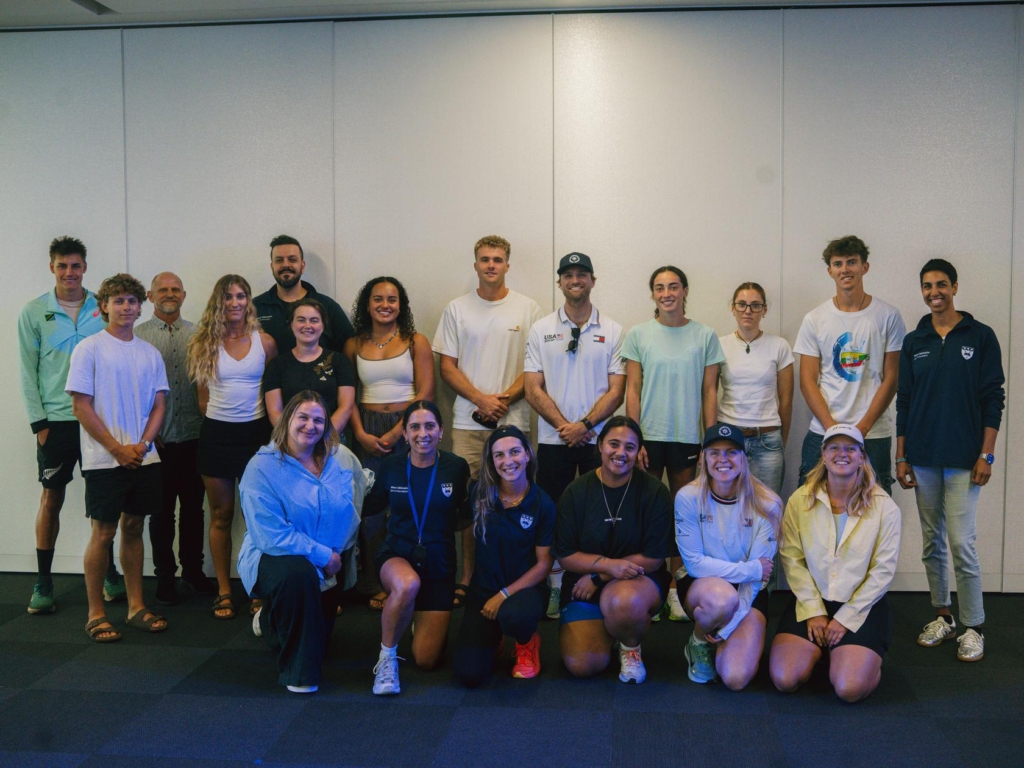
Ultimately, this approach supports them in becoming better students, better athletes, and better people, which is our goal.
Did the super flexible and tailor‑made approach at the University of Auckland surprise you?
Initially, it did surprise me, but now I clearly see how and why it works. It supports students while also attracting athletes to the University and allows those who may not have thought it possible to pursue a degree while competing at a high level to do so successfully. Many students tell me they appreciate the balance and the mental break they get from focusing on academics alongside their sport. Ultimately, this approach supports them in becoming better students, better athletes, and better people, which is our goal. There is immense pride in seeing one of our student‑athletes achieve a goal, win a medal, or graduate. Their success is our success, and I love being part of their journey. Student‑athletes need a strong community of support, and we aim to be an integral part of their pathway to high performance and long‑term success.
Why do you think some countries are still so far behind when it comes to supporting dual careers?
I don’t think all systems have fully recognised the long‑term benefits of dual careers for student‑athletes. There is still an old mentality in some places that success comes from focusing on one thing only and putting your whole heart and soul into it. However, it’s clear through our student‑athletes that having multiple aspects of life; sport, academics, and personal development, allows each area to positively contribute to the others.
Did you know about FISU’s Dual Career Programme and toolkit for students, universities, and National University Sports Federations?
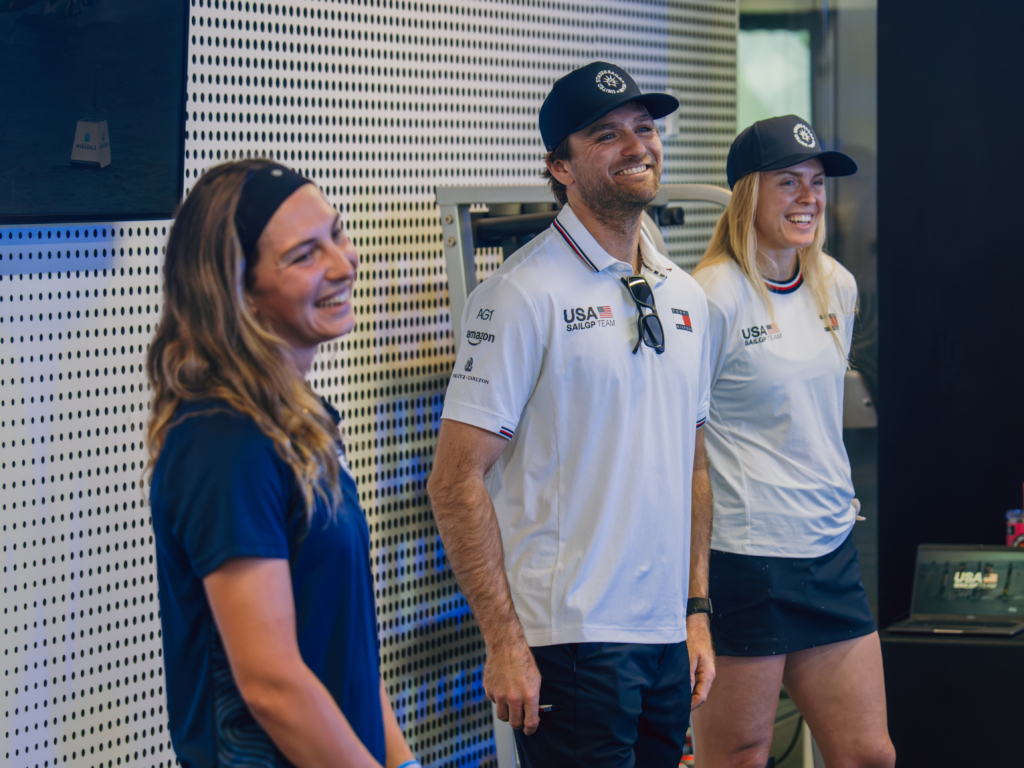
Since beginning my role, I’ve learned more about FISU but I still feel I have a lot to discover. I think it would be fantastic to learn more about how FISU can support individual universities. There is so much value in learning from the international space. While I believe what we do at the University of Auckland is unique and effective, I know there is always more to learn from larger institutions around the world. I have a vision of student‑athlete exchanges, allowing not only academic opportunities but also access to training environments. I think about my brother, who is a sailor in Canada and can only train about six months of the year due to winter, an exchange opportunity in a place like Auckland could be transformational.
What would be your message or advice to student‑athletes around the world?
It’s easy to feel overwhelmed and think you’re not moving in the right direction, but I’ve learned there is no single “right” path. Sport, academics, and life are not linear. I ended up living across the world in a permanent role working in high‑performance sport, something I never imagined possible. When I look back at myself after having to quit swimming, I truly thought my time in sport was over. So take the step, anything is better than nothing!
List of the services provided at the University of Auckland
- Attendance and assessment flexibility
Flexible study assistance is available to all members of the High Performance Support Programme. Each faculty has a nominated Programme/Support Adviser, who works closely with the programme, its members, and faculty to ensure course requirements are met when alternative arrangements and renegotiated timeframes are required. - Alternate exam arrangements
Programme members are able to apply for alternate exam times and/or locations when required. Specific criteria set by the examinations office must be met. - Admission and enrolment
Support with enrolment to the University and its programmes for new, current and transferring students. - Degree planning
Tailored support alongside a nominated faculty Support Adviser to assist with degree planning and part time study arrangements. - Hiwa Recreation Centre membership
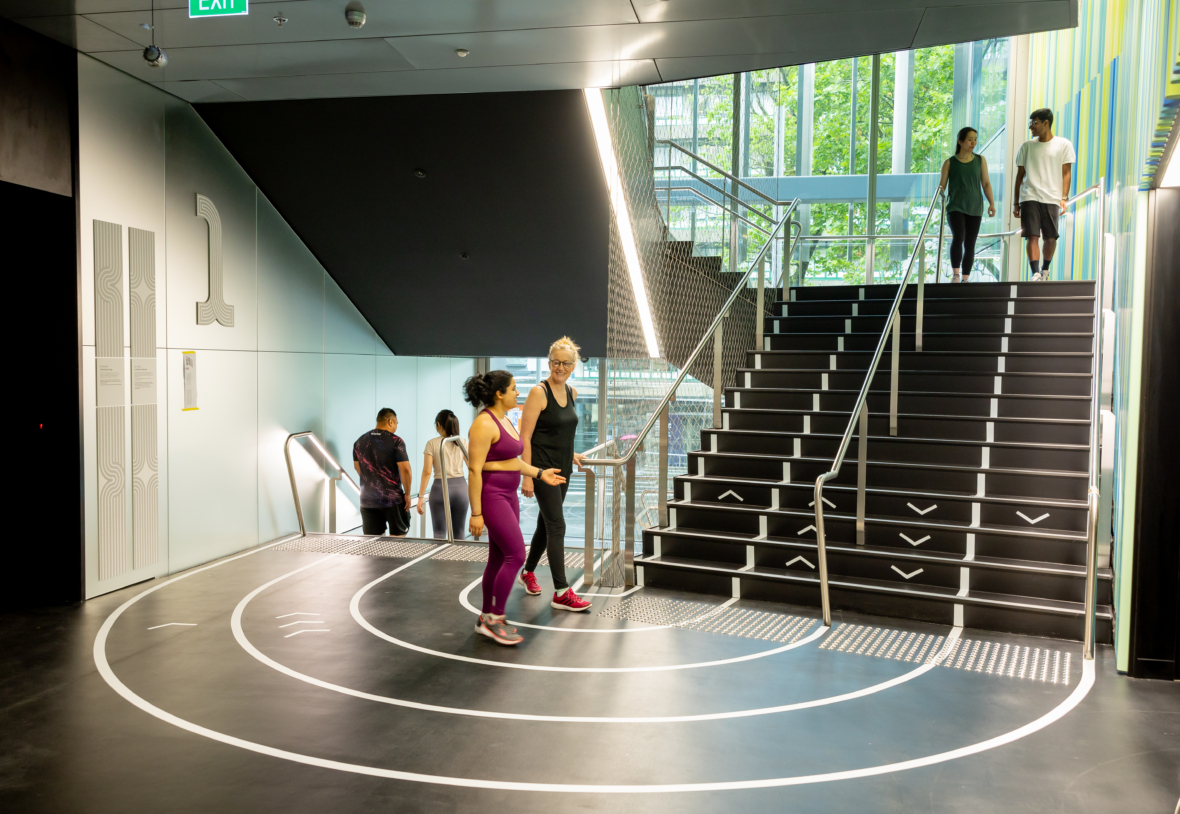
Programme members are eligible to receive complimentary access to the University’s Sport and Recreation Centre. - Strength and conditioning
Experienced strength and conditioning trainers are available to provide expert, personalised programming and coaching to aid performance specific improvement. - Physiotherapy
The programme has partnered with an experienced sports physiotherapy practice, University Physiotherapy, located on the City Campus. Being a member of this programme entitles you to discounted physiotherapy. - High Performance Support Fund
Applications are open year-round for current programme members. Applications can be made as soon as a member has a selection letter stating representation in a New Zealand team or New Zealand University team travelling internationally. Grants will be provided to assist with travel, accommodation, registration fees and other costs associated with attending an international event. - Nutrition Support
The University Dietetics team can provide nutrition support to maximise your training, event outcomes, and long-term health. - Exercise Science
The High-Performance Support Programme collaborates with the Exercise Science team, providing student-athletes with the opportunity to participate in performance testing. - Wellbeing support
The programme recognises that pursuing both academic and performance excellence is challenging. The programme offers specific and individualised strategies for members to manage their student-performer commitments in a healthy, sustainable way. Professional support through the University Health and Counselling service and specific performance psychology and wellbeing education sessions ensure holistic support of each student-performer. - Transition and career planning
A number of University services are available to provide support and advice for transitioning into and out of university, career planning and employment assistance. - Development opportunities
All High Performance Support Programme members are invited to a variety of guest speaker talks, personal and career development events and workshops. These catered events provide the opportunity to develop as a person, a performer and a professional alongside fellow student-performers.
Next (and last) in the “Dual Career at the University of Auckland” series: meet Arie Rasmussen-Magasiva, rower and Bachelor of Commerce (Major in Marketing) and Bachelor of Global Studies (Major in International Relations and Business) Conjoint at UOA.
Related News
Working together to elevate world university sport

“Taking a lot of the pressure off the athlete is a massive help!”
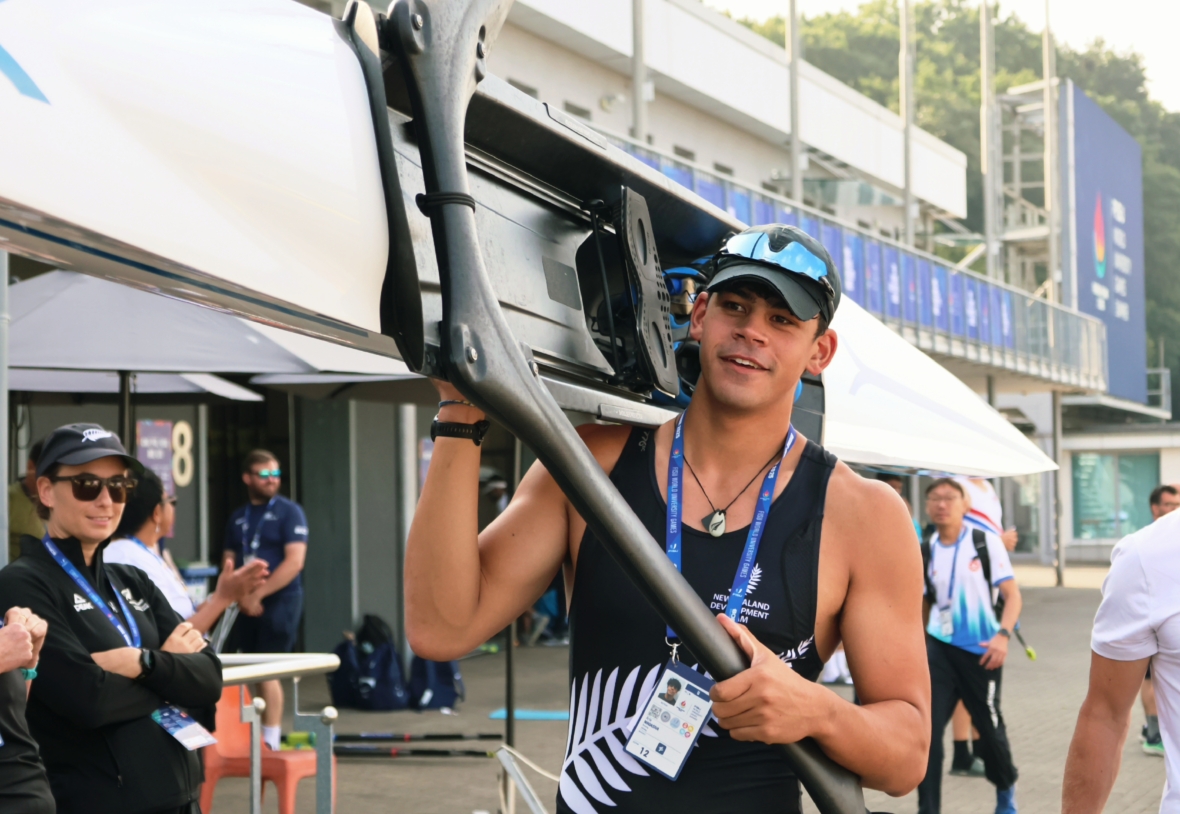
Come and visit Hiwa, where students and athletes train alongside fellow Aucklanders