From the College League to the Republic of Korea National Team: mapping out a player’s – who is still a university student!- second act.
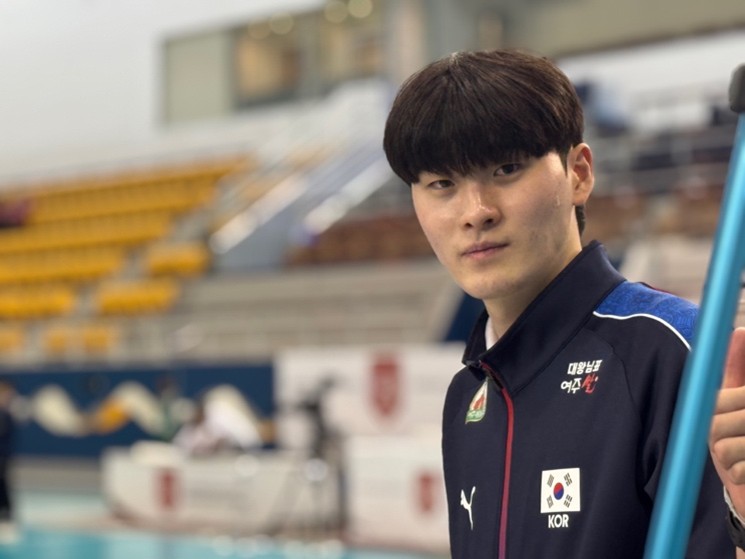
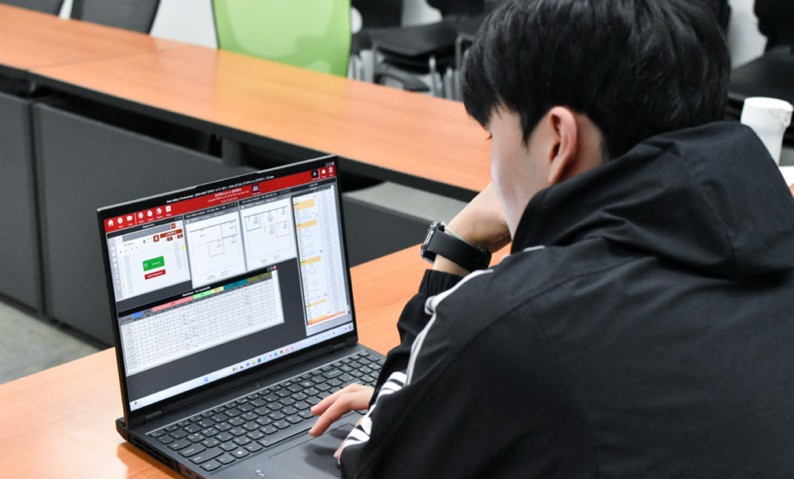
Sitting behind a computer screen, reviewing match data and analysing tactics, Jihyeon Song of Kyung Hee University now serves the South Korean men’s national volleyball team as a statistician. Although he is still a university student, he works at a professional level, providing analytical data and tactical insights to the coaching staff.
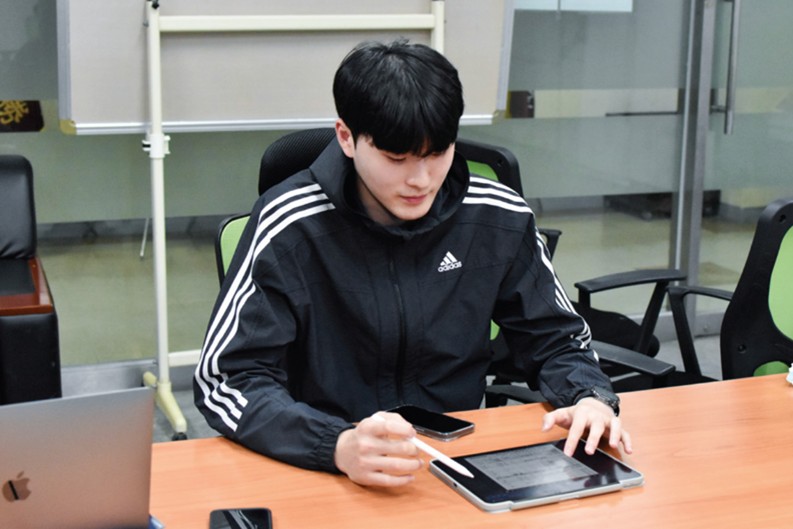
Recently, he contributed to the team’s success at the 2025 Asian Eastern Zonal Men’s Volleyball Championship, where the national team captured the title. The player who once ran tirelessly on the court now helps architect victories behind the scenes. His second chapter in volleyball has begun, albeit in a different role.
He first started playing volleyball during the summer vacation of his second year in middle school. Although he began the sport at his parents’ suggestion, his career as an athlete officially took off when he transferred to a school with a specialised volleyball team.
Afterwards, he continued his athletic career at Geumjung Middle School in Busan, followed by Dongsung High School and Suncheon Jeil High School, all of which are known for their strong volleyball programmes and consistent performances in national competitions.
Before eventually transitioning to a different role in the sport, he spent about six years developing his skills as a competitive volleyball player.
Injury, runner-up, and a turning point
The most memorable moment for him was, of course, the shining moment of victory during his senior year of high school. However, the true turning point in his life was the competition just before that. While training for the finals of his first tournament, he suffered an ankle injury, leaving him in a condition where he could only play one set during the final match. Ultimately, the team had to settle for second place, and because of his limited playtime, he did not receive any individual awards.
The image of his father watching him at the awards ceremony, unable to hide his disappointment, lingered in his mind for a long time. That experience stayed with him and eventually became one of the moments that made him reconsider his future as an athlete.
From athlete to statistician
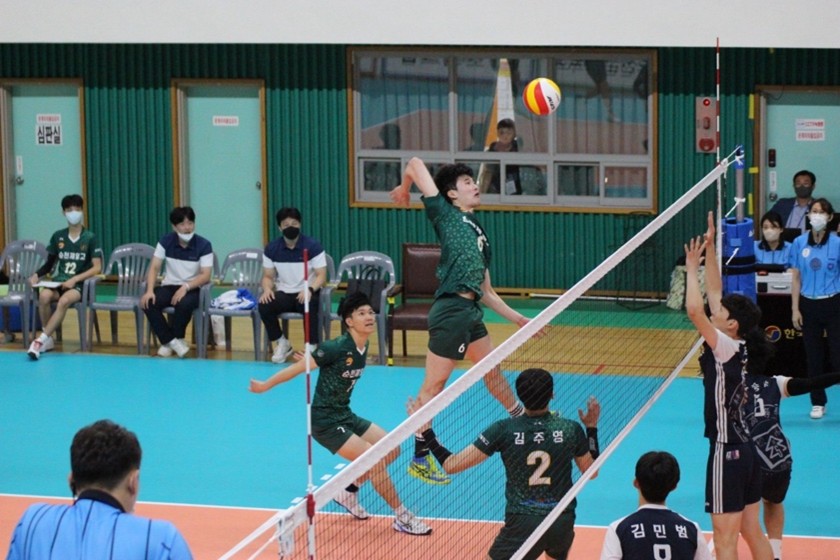
As an athlete, he lived every moment in competition, vying for victories, records, and positions. However, after experiencing injuries and considering the realistic demands of a long-term athletic career, he began to envision a different path.
It was around his senior year of high school that he began to consider retirement. During this period of reflection, he first learned about the role of a statistician through his father’s recommendation.
After entering university, he began learning the work of data analysis from an experienced statistician. At first, it felt unfamiliar and difficult to watch games from the stands rather than the court. However, as he organised data and analysed tactics, he gradually found the process increasingly engaging.
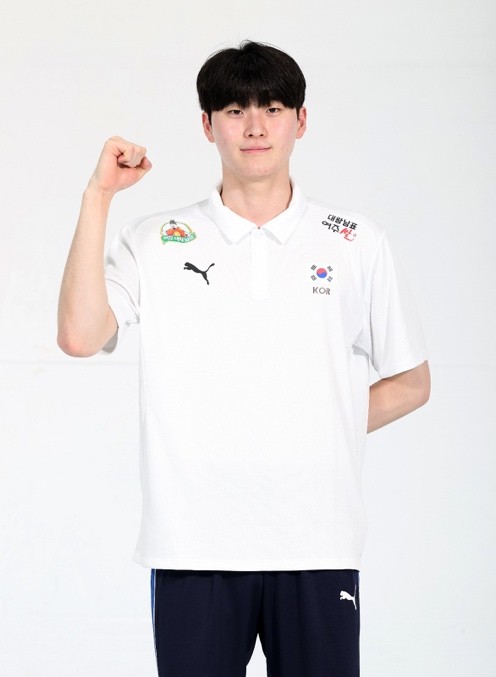
When asked about the advantages of being a statistician with an athletic background, Jihyeon Song said,“I think statisticians who were once players have a deeper understanding of the game and have the advantage of being able to see through tactical aspects.”
Growth that began in the University League
His experience in the university league became the starting point of his career as a statistician. In the university league, accumulating data is not easy because the league format and group assignments change every year. Therefore, one must collect data by watching games directly on-site and analyse them quickly.
Through this process, he developed the ability to respond to on-site situations and strengthened his practical analysis skills. This experience later became an important foundation for his work with the national team.
A different kind of competition outside the court
Building on his success in the university league, he soon stepped onto a much larger stage representing the national team. The player running on the court and the statistician designing strategies behind the scenes experience entirely different kinds of tension. As a player, his body was exhausted; now, his mind is constantly challenged.
The process of refining tactics and analyzing data every day is not easy. However, the sense of accomplishment he feels when a prepared strategy is successfully implemented in a game comes as a unique reward. He felt the greatest pride as a statistician when the national team won the Asian Eastern Zonal Men’s Volleyball Championship 2025. The team’s victory was his own reward.
Longing for the court, but no regrets
He recalled his past days as an athlete, saying, “Sometimes I miss the moments when I used to play directly on the court.” The atmosphere of the stadium that only a player can feel and the joy right after scoring are difficult to put into words. However, realistically speaking, he has no intention of returning to being a player. He defined volleyball in one word “Job.” He once played the sport as an athlete, and now he works within it as a statistician. Although the form has changed, he is still part of the game.
Future Goals and Family as Role Models
His short-term goal is to focus on the 2026 national team schedule. In particular, he hopes to achieve good results at the “20th Asian Games Aichi-Nagoya 2026”.
In the long term, his goal is to continue working in this field without losing passion, meet various people through volleyball, and become someone he can be proud of. When asked about his role models, he immediately answered, “Family.” They are the people who have always supported him and trusted his decisions.
A Message to Fellow Student-Athletes
Reflecting on his own journey, Jihyeon offered a piece of advice for fellow student-athletes who may be contemplating their own career paths:
“It takes courage and responsibility to leave the path of an athlete and choose another direction. It may feel difficult and unfamiliar at first, but if you set your direction carefully and continue working steadily, there will surely be good results.”
Although he no longer plays on the court, he still stands within the competition. Instead of jumping, he now works with data; instead of spiking, he builds strategy. His role has changed, but his passion for volleyball remains the same. His second journey in the sport continues, now unfolding from behind the scenes.
Written by Yebin Oh, AUSF Student Media Contributor
Related News
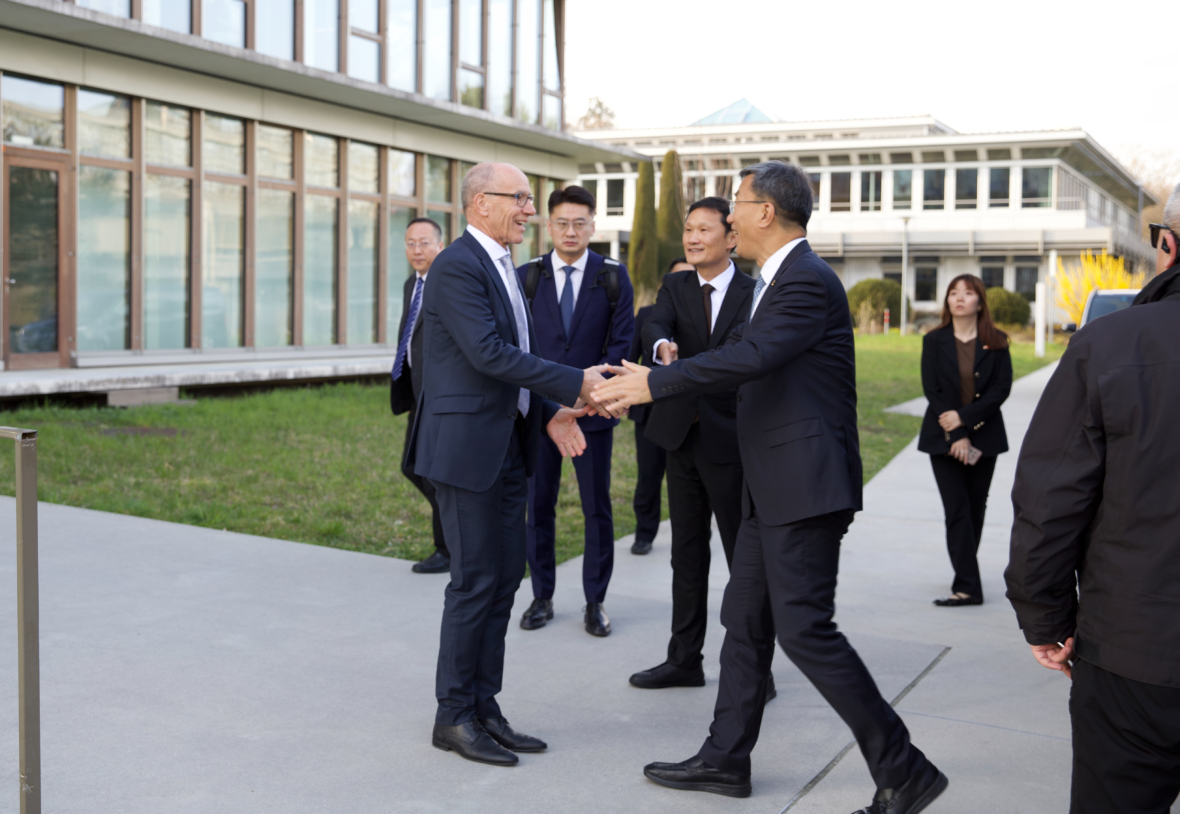
Huai Jinpeng, Minister of Education of the People’s Republic of China, pays a courtesy visit to FISU
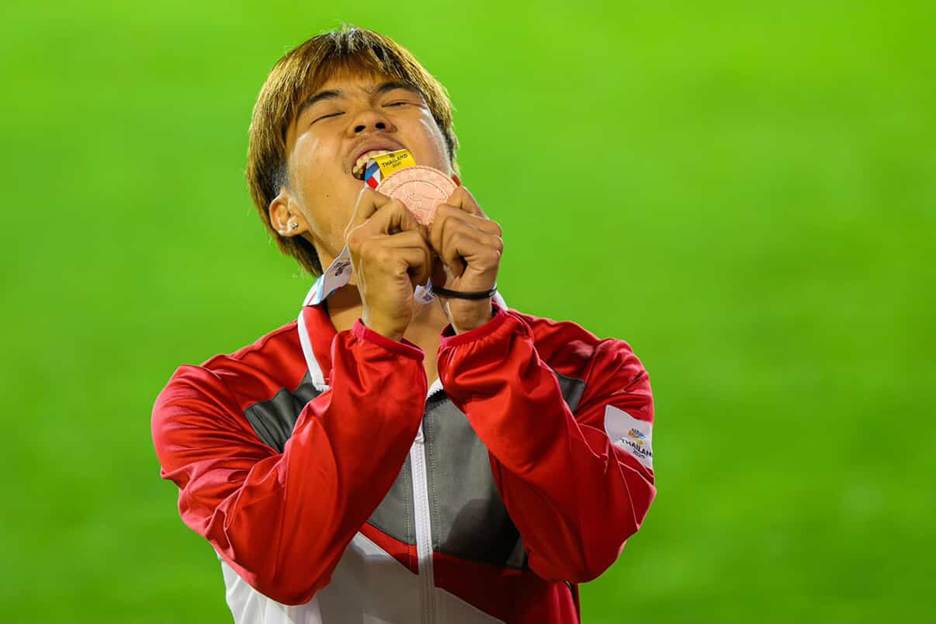
How a university student broke a 16-year-old triple jump national record
Meet five truly inspirational women from the university sports movement