A new diagnostic study illustrates that, despite the strong recognition for the positive impact of sport, there is still a structural the lack of sports facilities, of sufficient public funding as well as specialised human resources throughout the country.
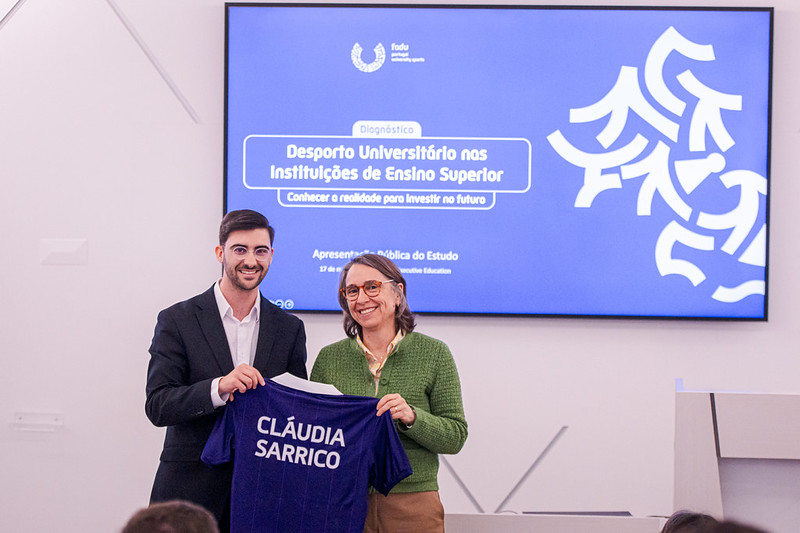
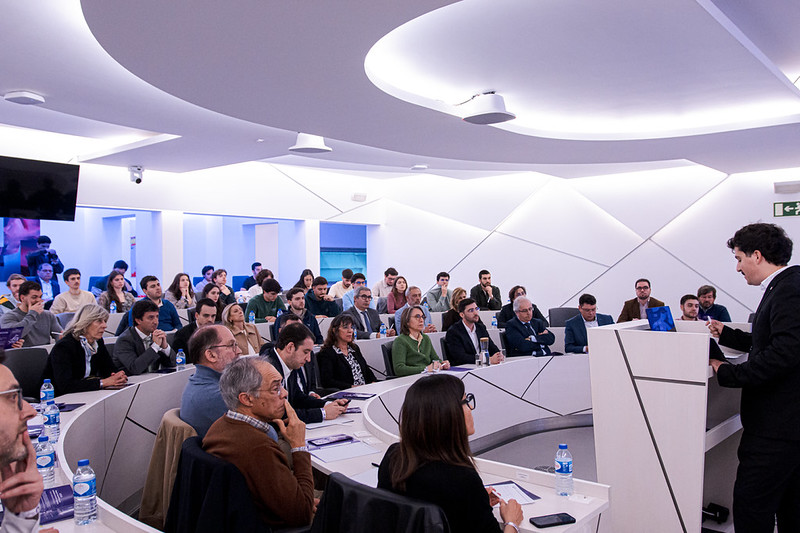
FADU Portugal University Sports presented a national diagnostic study on the current state of university sport within Higher Education Institutions (HEIs) in the country on 17 March in Lisbon.
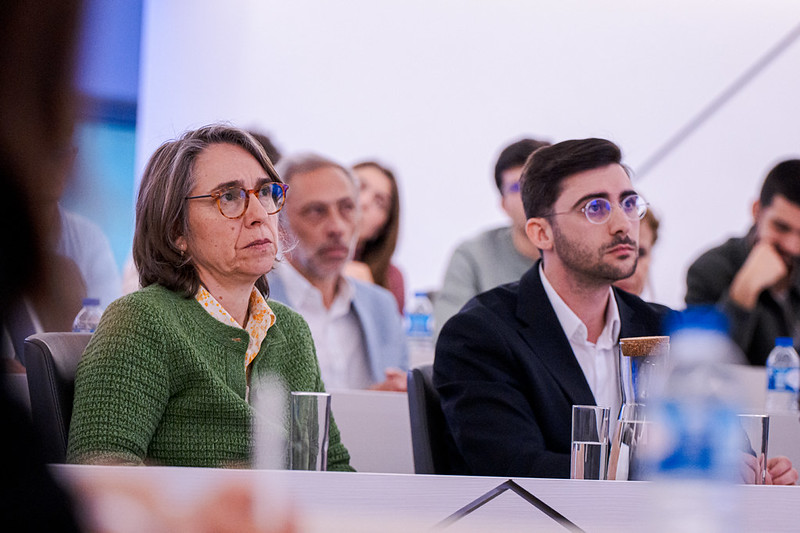
The event was attended by FADU President Diogo Salgado Braz and the Portuguese Secretary of State for Higher Education, Cláudia Sarrico, as well as several leaders and representatives from the national sports system, university sport, higher education institutions and the student movement.
The study provides a comprehensive and evidence-based overview of the structural conditions supporting university sport, focusing on key dimensions such as infrastructure, funding, human resources, institutional priority and the impact of sport on student wellbeing.
75% of the student population questioned
The study is based on a structured questionnaire targeting FADU-affiliated clubs and sports structures within HEIs. A total of 76 valid responses were collected, representing approximately 70% of the FADU club network and around 75% of all higher education students in Portugal. The geographical coverage includes institutions from 16 mainland districts and both autonomous regions (Azores and Madeira), ensuring broad national representativeness.
Key Findings
- Structural lack of sports facilities: Around 61% of institutions do not have their own sports facilities, leading to a strong dependence on external infrastructures.
- High reliance on external partnerships: Approximately 89% of institutions depend on external venues and facilities to ensure sports activity.
- Insufficient public funding: The average evaluation of public funding stands at 2.30 (on a 1–5 scale), indicating a clear perception of underfunding.
- Shortage of specialised human resources: 65.8% of FADU clubs report a lack of coaches and sports technicians, and 64.5% highlight insufficient support for dual careers.
- Strong recognition of sport’s impact: University sport is widely recognised as a key contributor to mental health, wellbeing and student integration.
Institutional Perspective
According to Diogo Salgado Braz, President of FADU Portugal: “We are facing a very concerning scenario, which reveals a significant structural gap in university sport in Portugal compared to other European realities.” He further highlighted that the lack of funding and infrastructure, combined with limited strategic priority, continues to constrain the development of the sector.
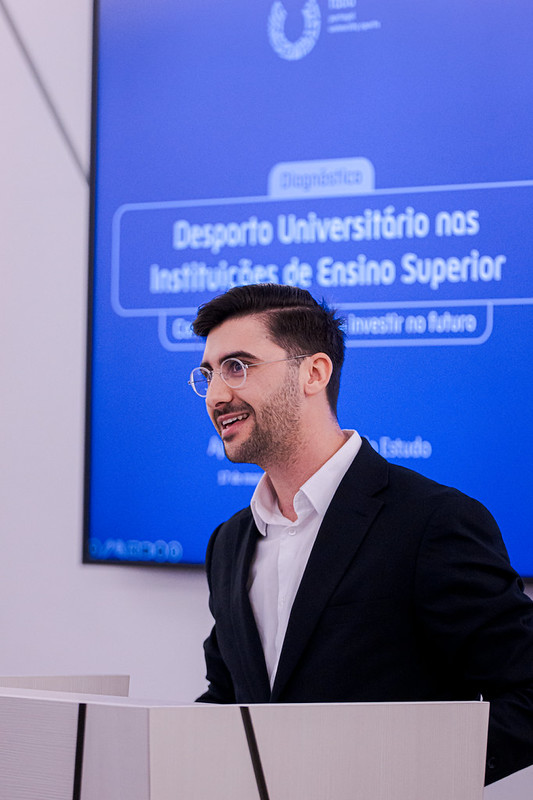
The Secretary of State for Higher Education, Cláudia Sarrico, also emphasized the importance of strengthening the role of sport within higher education systems, particularly in promoting student wellbeing and institutional development.
A Call for Action
Based on the results, the study identifies several priority areas for intervention:
- development of dedicated funding lines for sports infrastructure in HEIs
- stronger integration of sport into higher education funding models
- investment in specialised human resources
- formal inclusion of sport in institutional strategic plans
This study represents one of the first comprehensive national-level assessments of university sport in Portugal, providing a solid evidence base to support policy-making and institutional decision-making. FADU Portugal aims to use these findings to reinforce advocacy efforts and contribute to a stronger, more sustainable university sport system, aligned with European and international priorities.
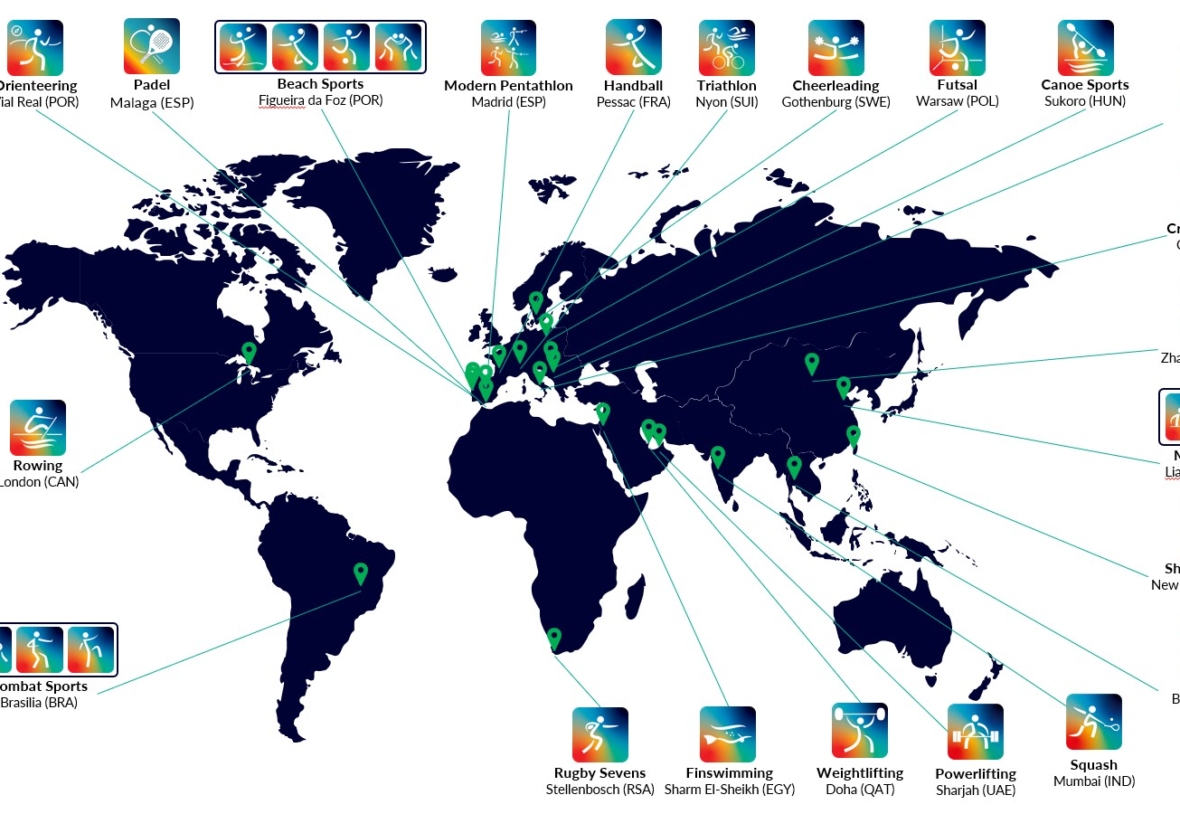
Later this year, FADU Portugal University Sport will be hosting two 2026 FISU World University Championships: first Orienteering in Vila Real from 28 July to 1 August and Beach Sports in Figueira da Foz from 17-22 September. Make sure you follow to experience the recognised positive impact of university sports!
Pictures provided by FADU
Related News
The 2026 FISU Championship season has kicked off!
Healthy Campus reaches over 200 universities worldwide
126 new FISU Student Ambassadors join the programme!